Embracing God’s Mosaic
by Warren L. Maye
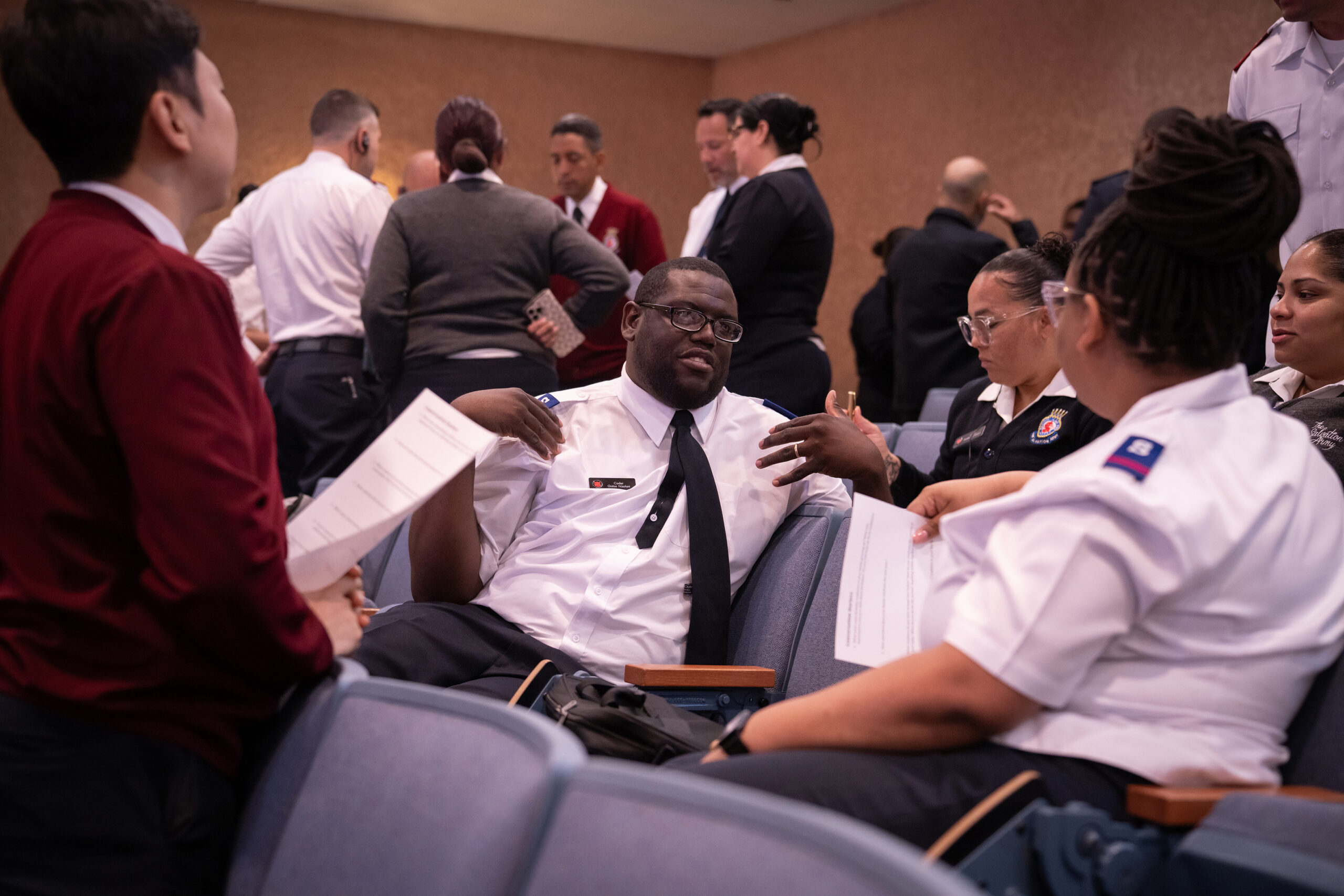
At The Salvation Army Eastern Territory’s College for Officer Training, cadets and leaders have a vision of ministry where diversity is welcomed as a sign of maturity, unity, and strength. (Photo/Eli Morgan)
The College for Officer Training takes a diverse, holistic, and unique approach to ministry training. Here’s an exclusive look inside with Lt. Colonel James LaBossiere.
At the College for Officer Training (CFOT) in the USA Eastern Territory, something amazing is unfolding. Walk through the chapel doors on any given morning, and you’ll encounter a tapestry of faces, languages, cultures, callings, and life stories—all converging under one mission: to prepare Salvation Army officers who will serve a rapidly changing world with Christlike compassion and conviction. The atmosphere hums with joy, reverence, and expectation. Together, these cadets and leaders are showing us a vision of ministry where diversity is not merely welcomed but celebrated as a divine gift.
What makes this scene stand out is the fact that the college is not facing the same crisis as some other Christian colleges in the Northeast. Instead, it is stable, mission driven, and successfully accredited despite the headwinds.
Lt. Colonel James LaBossiere, CFOT’s Training Principal, has witnessed many sessions over the years, yet the present community stands out in a way that feels almost miraculous.
“It is just an amazing background of people that the Lord has called together,” LaBossiere says, reflecting on the 54 current cadets who represent a sweeping range of ages, nationalities, and cultural expressions. “Years ago, in the ’90s and early 2000s, when I was the Candidates Secretary, there was a growing Hispanic population. Today, there are many more cultures to blend.”
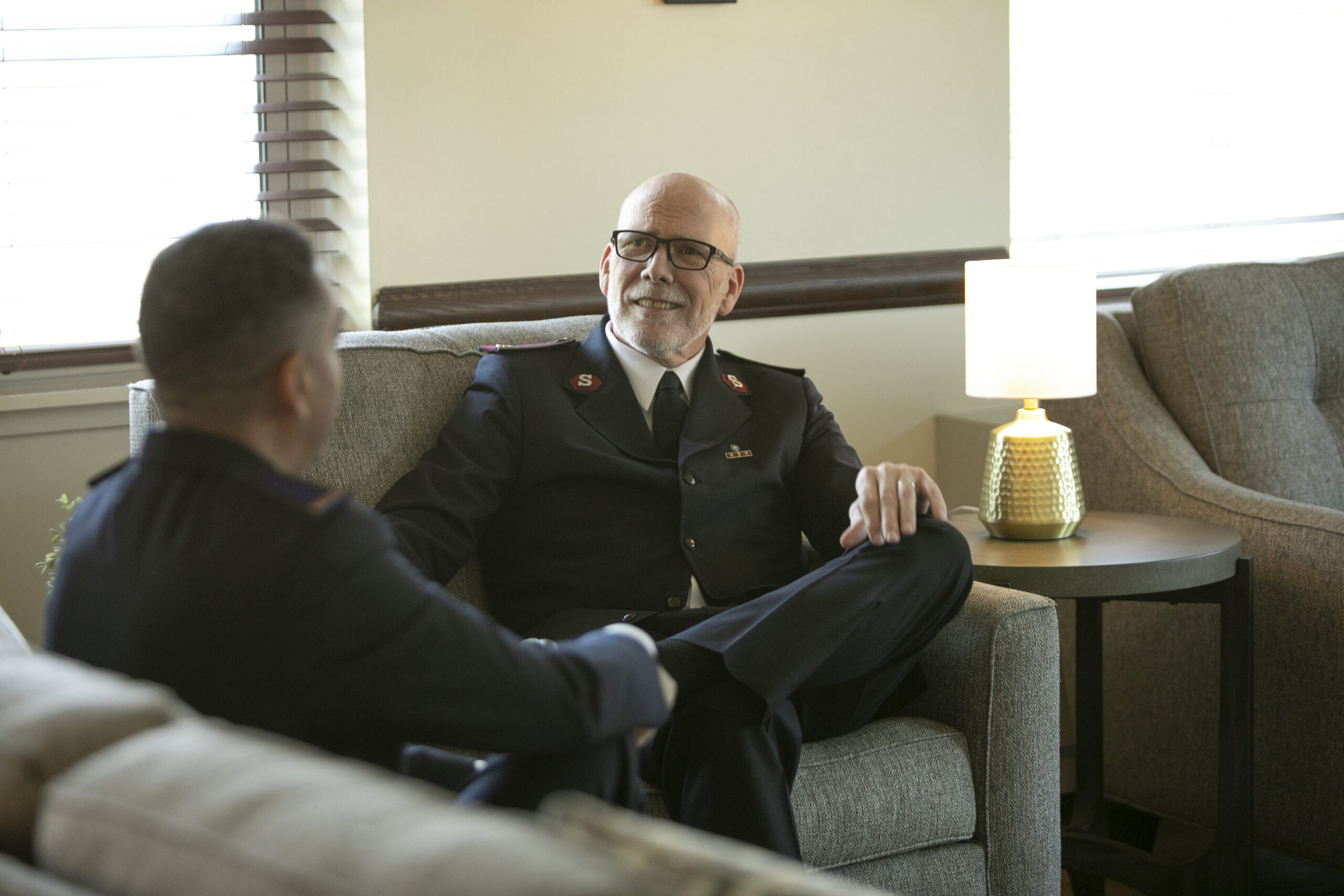
“They’re committed Christians who are learning a deeper experience about The Salvation Army,” says Lt. Colonel James LaBossiere, Training Principal of the College for Officer Training. Conversations in the classroom, small groups, prayer circles, and one-on-one offer breakthroughs in understanding. (Photo/Dyana Van Campen)
Their stories are as varied as the places the cadets come from. Some are seasoned adults with decades of life experience, forming a second career in ministry; others are young men and women burning with early passion and fresh faith. The average age of first‑year cadets hovers just under 30. Those in their second year average close to 40. It’s an intergenerational blend. They enrich every classroom conversation. Small‑group prayer circles are never boring.
“They’re committed Christians who are learning a deeper experience about The Salvation Army,” says LaBossiere.
Yet age is only one dimension. Look more closely and you’ll find an international meet-up: cadets come from the U.S., Canada, Mexico, Brazil. Others hail from Argentina, South Korea, Zimbabwe. Still more represent the Dominican Republic, Haiti, and New Guinea, among others. Their ethnic backgrounds reflect a world of influences—Hispanic, African diasporic, Asian, and more—inextricably woven together in visible harmony.
As a result, CFOT is not dependent on regional demographics, a headwind that has caused other Christian colleges in the Northeast such as Nyack College, King’s College, and the Alliance Theological Seminary to close in recent years for a lack of enrollment. These closures are part of a broader pattern; although Christian colleges make up only 15% of U.S. institutions of higher education, they have accounted for over 50% of the closures since the COVID pandemic, according to Enrollify’s Higher Ed Pulse podcast. In 2023 alone, 75% of the most prominent closures were faith-based, many in the Northeast, writes podcast host Seth Odell.
At CFOT, the diverse cadet body also brings a wide spectrum of spiritual journeys. Some are new Christians, saved within the past five years, brimming with zeal and discovery. Many others carry long histories of discipleship in The Salvation Army or shaped by traditions such as Roman Catholicism, Pentecostalism, Lutheranism, or Orthodoxy. The result is a vibrant spiritual ecosystem where liturgical depth meets charismatic energy, and where each person is invited to bring their whole selves into the shared life of ministry.
LaBossiere is also quick to point out significant coursework that covers Salvation Army history, doctrine, and other offerings that help the cadets understand, embrace, and later teach these bedrock components.
A faculty that mirrors the Kingdom
What also makes CFOT remarkable is how its faculty is super diverse—an intentional model that boosts everything the cadets experience. The academic and ministry staff represent 11 different countries and 15 languages, spanning disciplines such as theology, preaching, Christian education, leadership, social services, worship, and cultural studies.
LaBossiere and Assistant Training Principal Lt. Colonel Patricia LaBossiere set the example. He says, “We were initially raised Catholic, coming out of a New England setting. My mom was a member of a Baptist church for several years and before I was with The Salvation Army. The knowledge bases of these various denominations are helpful to us.”
Together, these leaders embody a lived theology of unity in diversity. Classroom discussions are enriched by global viewpoints. Chapel services echo with music from multiple worship traditions, and hallway conversations reveal deep respect for the various cultures represented on campus.
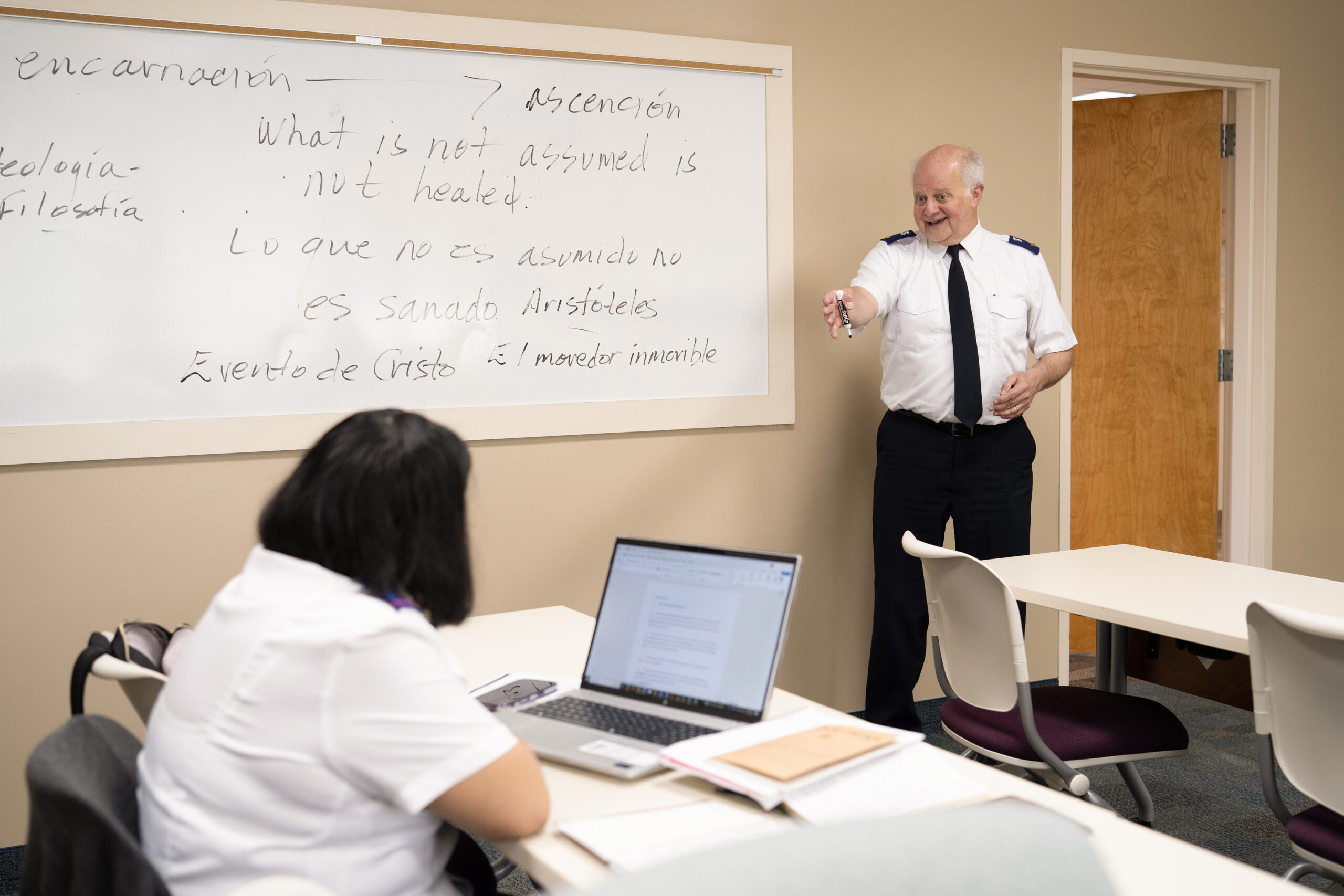
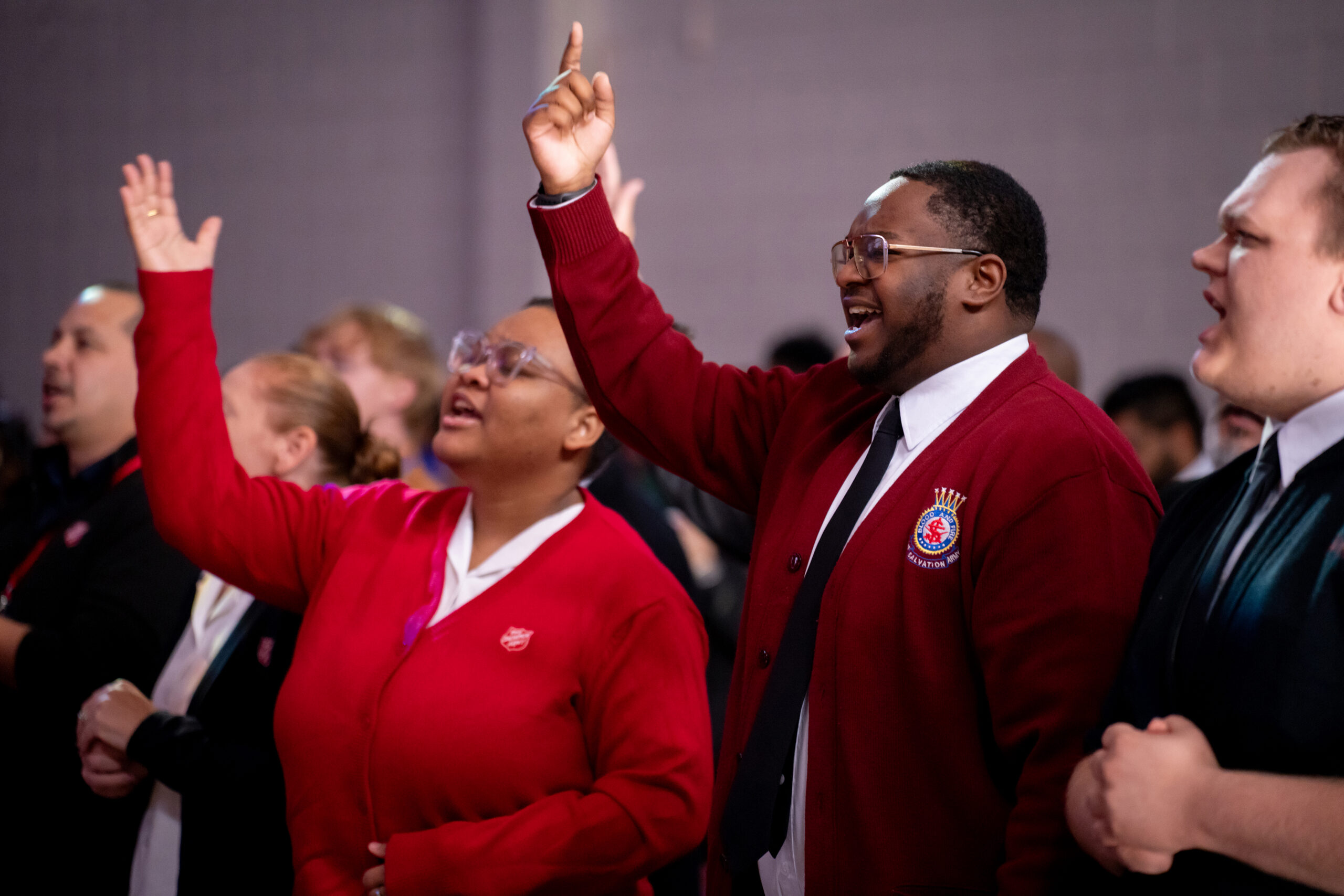
Class instructors teach about doctrine, ethics, accountability, and servant leadership. Worship training is also intentional and wide-ranging in scope.
(Photos/Eli Morgan)
A Cuban biblical studies professor brings the Old and New Testaments alive through both English and Spanish lenses. A Canadian-born officer draws on doctoral studies and decades of nonprofit leadership to teach cadets about doctrine, ethics, accountability, and servant leadership. Meanwhile, a Zimbabwean staff officer preaches about discernment during a chapel service and reminds cadets that ministry is always both spiritual and social.
Even worship training is intentionally global: an international team guides cadets through everything from traditional music to contemporary praise and worship styles. Whether the worship leaders come from Canada or Cuba, Colombia or the Virgin Islands, South Africa or Chile or Spain, their message is clear: The God who calls them is bigger than any single culture or expression.
Celebrating culture as ministry
For a long time now, cultural observances at CFOT have held a place of importance. Today, they have become centerpiece moments in the life of the college—expressions of gratitude, healing, education, and unity.
“Prioritization is a big [thing],” Lt. Colonel James LaBossiere says. “We live in such a diverse culture that just our sensitivity and our true engagement with one another must really be very intentional.” Indeed, students need more support than ever. Christian colleges must balance pastoral care with academic rigor.
CFOT’s cultural committees are composed of cadets, officers, and employees. These groups lead with humility and joy as they plan food festivals, film screenings, devotional gatherings, panel discussions, workshops, and community events.
“I need to be sitting at the table and developing relationships—not in a superficial ‘check-a-box’ way—but really engaging with one another,” says LaBossiere. “In our communities where we serve, there’s a richness in the smallest of towns across our territory.”
Two examples help paint the picture:
- Black History Month brings stories of resilience and justice through guest speakers, film nights, and educational sessions.
- Hispanic Heritage Month fills the campus with dance workshops, bilingual devotionals, traditional foods, and storytelling that builds bridges across languages.
As “culture wars” continue to polarize society in the U.S., CFOT campus celebrations are more than just fun and educational. They nurture empathy and belonging. They say to every cadet: Your story matters, and we honor the way God has shaped you.
A campus connected deeply to its community
The Northeast is one of the least religious regions in the U.S. In response to this challenge, the CFOT has become a place where learning goes outside the classroom. It is “a community within a community,” in LaBossiere’s words—a training ground rooted in the diverse village surrounding it.
That vision comes alive through initiatives like Community Outreach Day, where 550 neighbors streamed onto campus last spring to experience a festival of service and fellowship. The day included family activities, global music, prayer tents, children’s games, and resource booths staffed by local partners. Dozens of families made new connections with Salvation Army ministries, and others requested pastoral visits or signed up to volunteer.
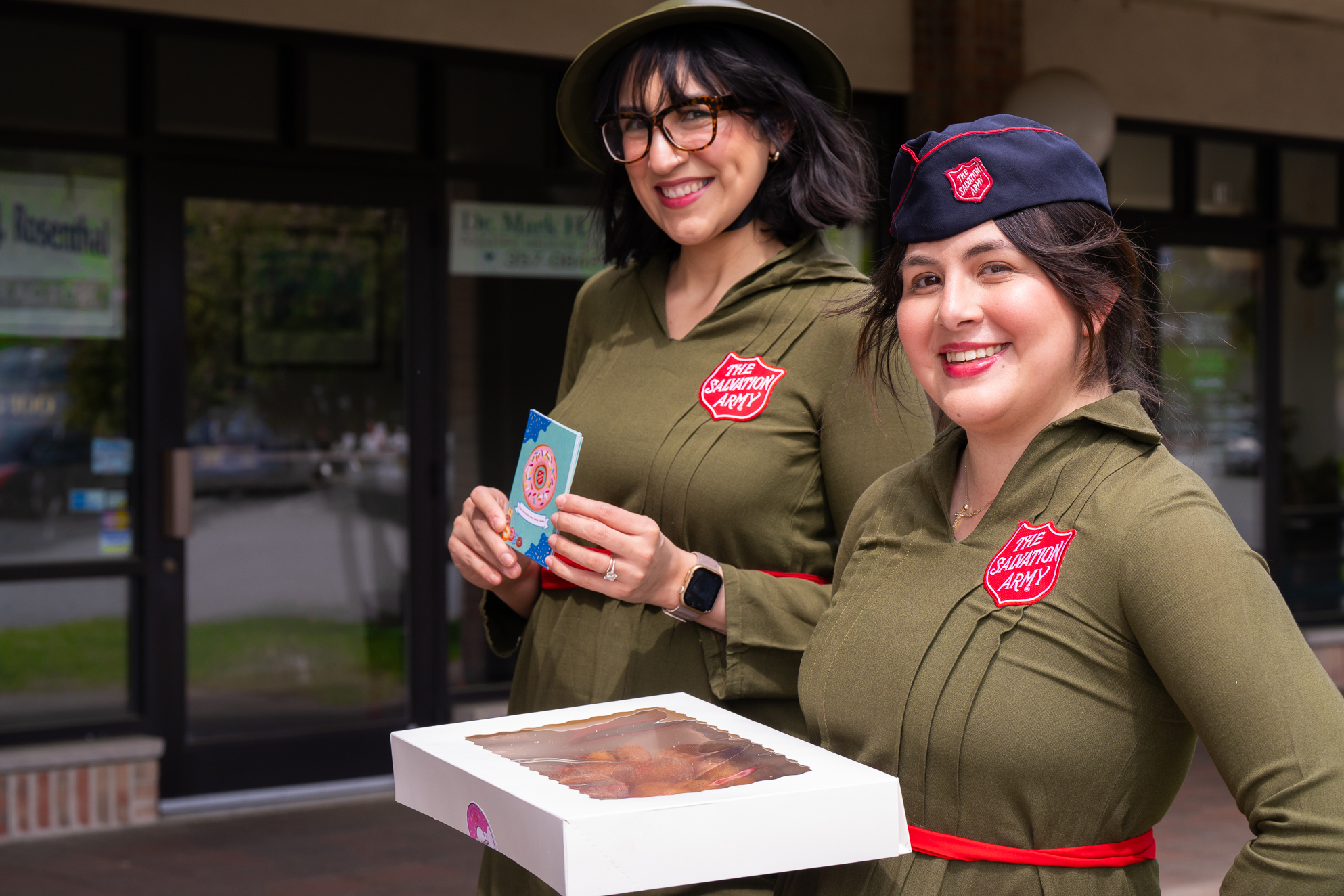
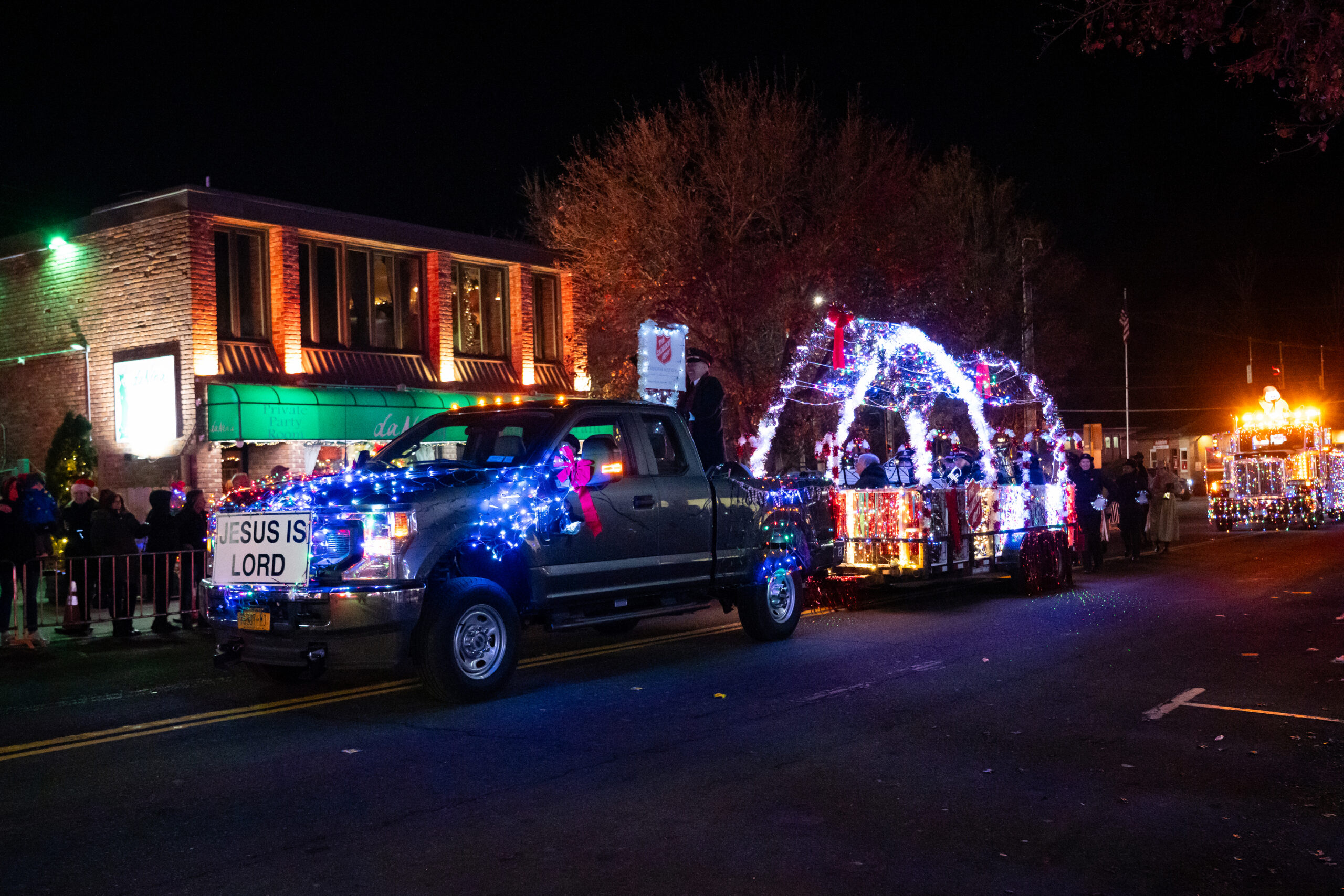
Ministry training must not create walls but build bridges. Sessionmates become like family, forged through service. Outreach to the surrounding communities includes the beloved tradition of Donut Day, and participation in the annual Suffern Holiday Parade. The cadets march as an Army ensemble plays on the float.
(Photos/Eli Morgan)
And there’s the beloved tradition of Donut Day, an annual ritual in which cadets and staff fan out onto local streets and into nearby businesses, municipal offices, and shops to deliver boxes of fresh donuts along with invitations to CFOT events. A small gesture—just a warm smile and a sweet treat—opens surprising doors for pastoral conversations, civic friendships, and “ministry beginning with kindness.”
These rhythms of outreach reflect a core conviction: Ministry training must not create walls but build bridges.
Blended brigades: learning side-by-side
The cadet experience is shaped deeply by the brigade system, which organizes cadets into small, diverse teams of seven to eight. Brigades intentionally mix cadets across languages, years, genders, and cultural backgrounds, creating micro-communities that mirror the diversity of the campus.
- Together, each brigade:
- Prays and reflects regularly.
- Leads chapel services.
- Completes practical service projects.
- Participates in field assignments.
- Holds its members accountable in spiritual growth.
Cadets learn to worship in styles other than their own. They practice mutual support during stressful seasons. They serve communities linguistically and culturally different from their own, sometimes learning to offer benedictions in Spanish or assisting in ministries led by Congolese, Haitian, or South Asian Salvationists. These are not just teams; they are families forged through service.
Listening, adapting, and growing
CFOT’s culture emphasizes listening, not assumptions. This posture is embodied in a system called the Listening Loop, which gathers continuous feedback through surveys, focus groups, and one-on-one mentoring sessions. What makes this remarkable is the speed of change: New curriculum modules, translation needs, or pastoral supports are often implemented within two weeks. The message to cadets is clear: Your voice helps shape this community.
Part of this listening includes intentional support for the Spanish Track, which continues to expand bilingual resources, translated materials, and culturally sensitive structures for ministry preparation like never before.
Throughout their 22-month training, cadets grow holistically, emotionally, spiritually, and relationally. (Photo/Eli Morgan)
Caring for the whole person
Pastoral care runs deep at CFOT. The personnel department, which is diverse in culture, language, and ministry experience, walks closely with cadets through every dimension of life. This includes home visits, family support, health advocacy, counseling, and campus‑wide events that relieve the pressures of academic and ministry training.
One of the most transformative tools in this process is the Birkman Assessment, which helps cadets understand their personalities, stress responses, strengths, and ideal ministry environments. Each cadet receives coaching on their results and works with a mentor throughout their 22-month training to grow holistically—emotionally, spiritually, and relationally. In an environment filled with adults, families, teens, and even multigenerational households, this level of individualized support is essential.
Preparing officers for today and tomorrow
“I’m not a highly technical person, but in this day and age, you must have a healthy balance and understanding of technology,” says LaBossiere, “just to function as a Salvation Army officer. From statistics to Teams meetings with whomever, the proper use of social media, the sharing of the gospel, and the further education of oneself, [technical know-how] must be a priority.”
The CFOT is committed to equipping future officers not only for the present but for the unfolding realities of ministry in the decades to come. Training stands on three pillars: theological and missional grounding, technological fluency, and adaptive leadership.
“I mean, we’re an educational institution, but we’re stressing, ‘Look friends, this is for life!’” LaBossiere says.
Cadets engage deeply with doctrine and Salvation Army heritage. They learn digital discipleship, social media ethics, multimedia worship production, and online ministry strategies. They innovate solutions for housing insecurity, crisis response, and rural ministry. They graduate prepared to preach, pastor, and build community partnerships.
A living picture of the Kingdom
What emerges at CFOT is a portrait of the church as it was meant to be—multilingual, multicultural, multigenerational, united in Christ, and sent out with purpose. It is a place where cadets find training and transformation. It’s a place where differences become gifts and where leaders are shaped in community rather than in isolation.
In the words of LaBossiere, “Our cadets inspire us daily.” Indeed, their stories, their courage, their cultures, and their faith form a mosaic that reflects the boundless creativity of God.
About the Author: Warren L. Maye