Everything You Wanted to Know About Founders’ Day
by Guest Contributor
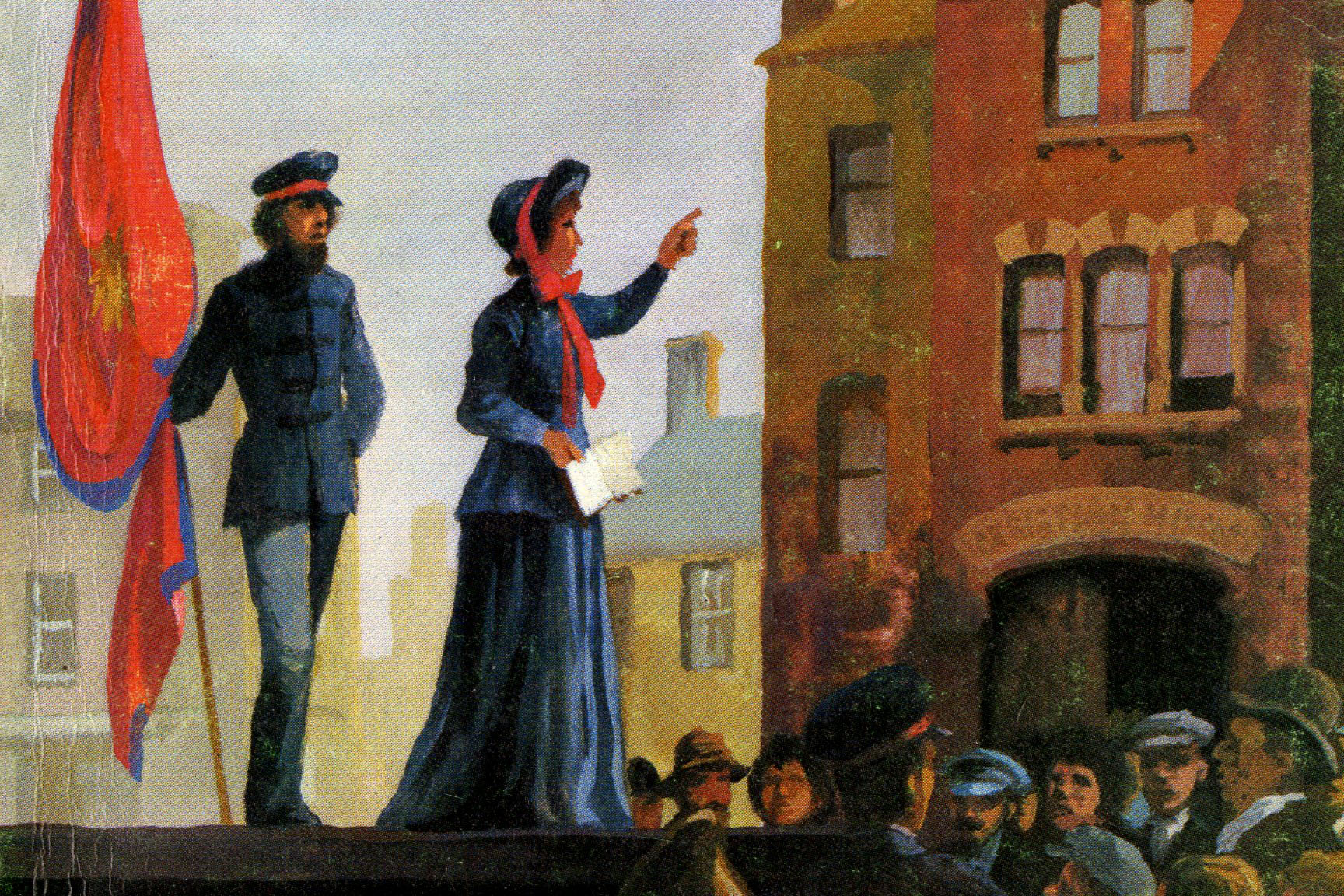
(Photo/Courtesy of Heritage Museum Eastern Territory)
Rob Jeffery, director of the USA Eastern Territory’s Heritage Museum, has all the details about what Founders’ Day means to The Salvation Army.
What is Founders’ Day?
Founders’ Day commemorates the birthdays of Salvation Army founders William Booth and Catherine Booth.
When is it celebrated?
Founders’ Day is celebrated on April 10. It was on this date in 1829 that General William Booth was born. Catherine Booth was born on January 17, 1829. For many years only William Booth was referred to as the Founder, and thus the occasion was called “Founder’s Day.” But in recent years it was correctly recognized that Catherine Booth was equally a founder of The Salvation Army, so now we often write it as Founders’ Day (in the plural) to reflect her amazing contributions to the life of our movement.
Isn’t Founders’ Day on July 2?
Sometimes. It depends on where you live! For all of The Salvation Army’s amazing uniformity and unity around the world, there are differences in when Founders’ Day is observed. Some territories like the United Kingdom and Ireland Territory tend to place Founders’ Day on July 2, referencing July 2, 1865—the date when the first service of The Salvation Army (then the Christian Mission) was held in an old Quaker cemetery in London’s East End. The Heritage Museum refers to April 10 as Founders’ Day, and July 2 as Salvation Army Day.
Who celebrates Founders’ Day?
Salvationists the world over celebrate the contributions William and Catherine Booth made in not only creating The Salvation Army, but in forming a movement that marries together the preaching of the gospel with the alleviation of human suffering. In the 134 countries where the Salvation Army flag flies, countless millions (even those who know nothing about William and Catherine Booth) see The Salvation Army as a great example of Christian service.
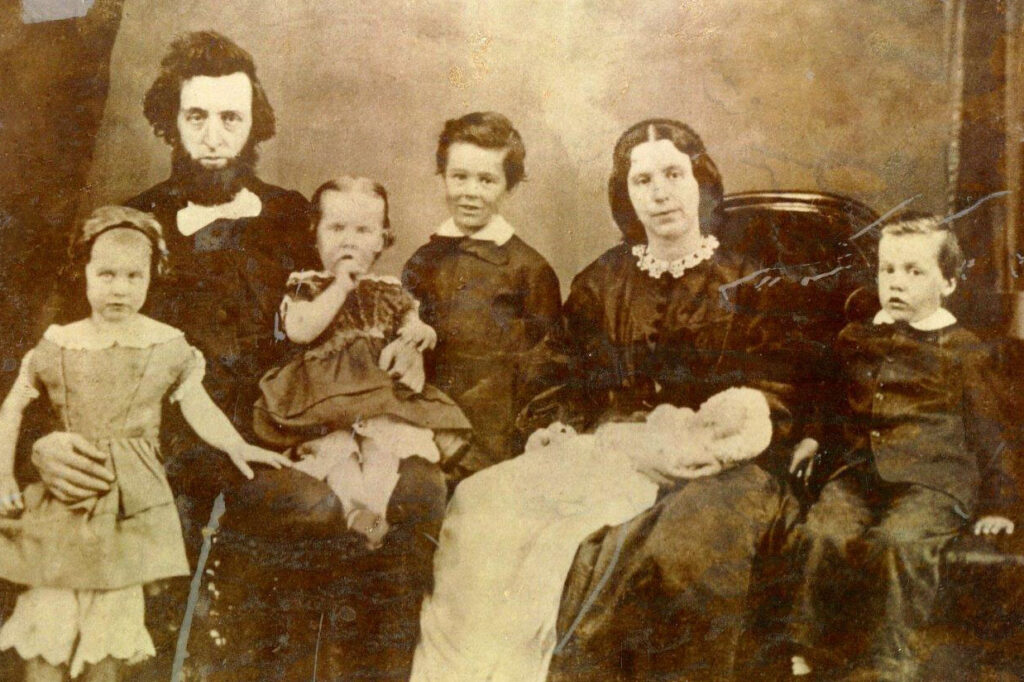
A family photo from 1862 of William and Catherine Booth with their first five children (from left): Katie, Emma, Bramwell, baby Herbert, and Ballington. (Photo/Courtesy of Heritage Museum Eastern Territory)
Founders’ Day honors the births of William and Catherine Booth. What were they like as young people?
William Booth was born in Nottingham, England, to Samuel and Mary Booth. The Booths were not overly religious and grew up as nominal Anglicans. As a teenager, William Booth was converted to Christ through evangelical Methodism. He developed his preaching skills as a teenager, holding in-house religious services called cottage meetings, with the aim of winning others for God. As a pawnbroker’s apprentice, he saw firsthand the misery of impoverished people and quickly pivoted from a secular career into a fully religious vocation.
Catherine Mumford was born in the town of Ashbourne, England, to evangelical Methodist parents. A very devout child, she is said to have read through the entire Bible eight times by the tender age of 12! The Mumford family took abstinence from alcohol very seriously and were leaders in the growing temperance movement. For a time, Catherine also abstained from sugar as a way to protest the transatlantic slave trade and the role that enslaved people had in the production of sugar. She cared deeply for the social issues of her day.
She met William in 1851 at the home of Methodist leader Edward Rabbits. William was reciting a pro-temperance poem called “The Grog Seller’s Dream.” The two were instantly drawn to each other. With their shared values and love for God, they were married in 1855. Though technically only William was a minister in the Methodist New Connexion, Catherine ardently supported his calling to preach. When that calling was stifled by his denomination, she enthusiastically supported his new calling to form the Christian Mission in 1865, which later became The Salvation Army.
How do you celebrate Founders’ Day?
There’s no one way to celebrate Founders’ Day. Some Salvationists simply create a social media post that talks about the lives of William and Catherine Booth. As Salvationists we sometimes assume that everyone in our orbit knows about the early history of The Salvation Army, but this is seldom the case anymore, so share those founding stories loud and often! If it falls on a Sunday, a corps could sing “O Boundless Salvation,” otherwise known as the Founder’s Song. Incorporating a day of service into Founders’ Day is another great way to honor the Booths and, more importantly, the God whom they served.
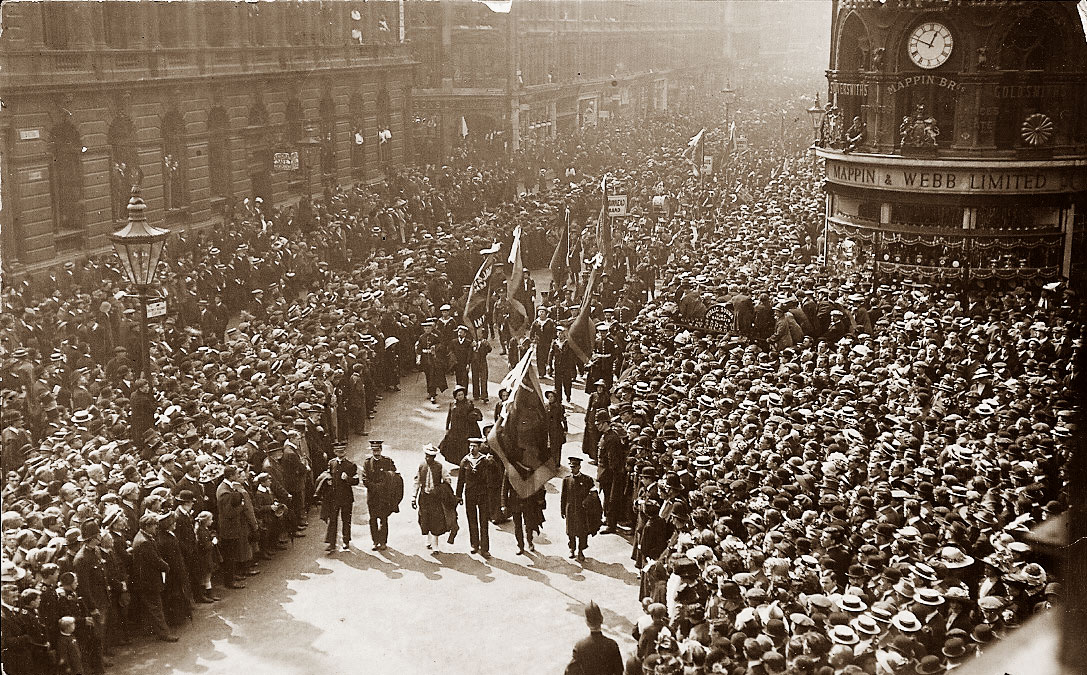
The funeral procession for General William Booth through the streets of London in August 1912, from a postcard image.
(Photo/Courtesy of Heritage Museum Eastern Territory)
When Catherine Booth was promoted to Glory in 1890 and William in 1912, thousands of people attended their funerals. Born in obscurity, by the time of their passing, they were known and celebrated figures of history. But seeking earthly fame and fortune was not their life’s plan. Their sole desire was to see people make a life-changing commitment to Jesus Christ, yet they understood that for this to happen, Christians needed to show a godly concern for people’s lives here and now. For William and Catherine, this was indeed the holistic meaning of salvation that was modeled in the Scriptures through the life of Jesus and his early followers. It was, as William called it, a “Salvation for both worlds.”
So celebrate Founders’ Day in a way that honors the Booths’ commitment to God and humanity. Their lives are still remarkable examples of what God can do through a life fully surrendered to Christ. —Rob Jeffery
About the Author: Guest Contributor