The ‘Beautiful Game’ Creates Beautiful Ministry
by Hugo Bravo
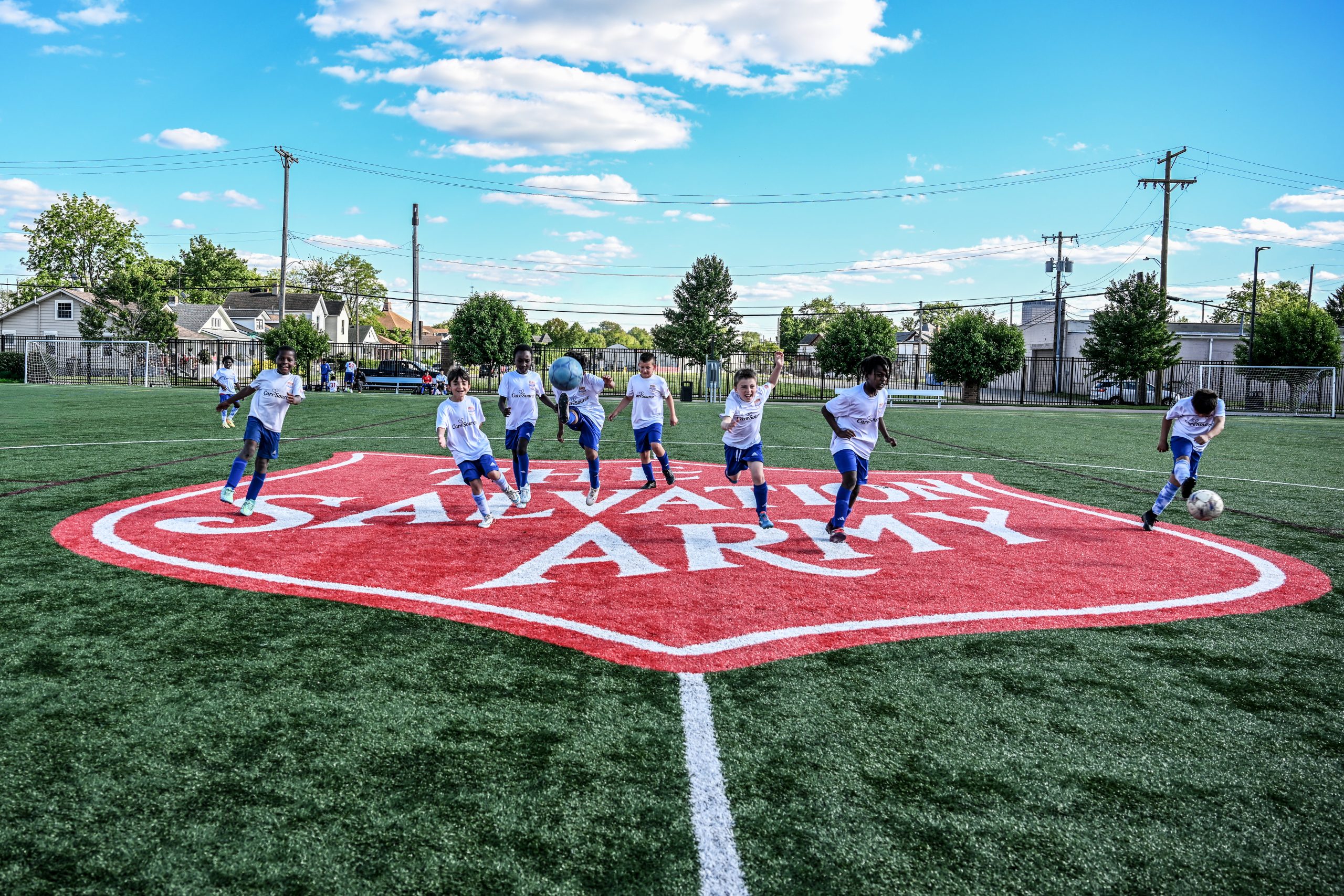
Kroc Park features a state-of-the-art turf soccer field for the Dayton Kroc Soccer Club. It’s all part of
The Salvation Army Ray & Joan Kroc Corps Community Center in Dayton, Ohio.
(Photo/Anytime Pictures)
Meet The Salvation Army players, coaches, and personnel who are bringing soccer to the Salvation Army Eastern Territory and beyond.
Calling soccer—football or fútbol, as it’s known outside the United States—“the beautiful game” was popularized by legendary Brazilian player Pelé in his autobiography, My Life and the Beautiful Game. You don’t have to be a devoted supporter of a club to recognize the sport’s beauty, its grace, flair, and improvisation. Look closer, and you’ll also see soccer’s accessibility and creativity, a welcoming spirit, and its unique ability to connect communities while breaking down barriers of culture and language.
These are many of the same qualities that The Salvation Army strives to embody with its ministries, services, and programs in the communities it serves.
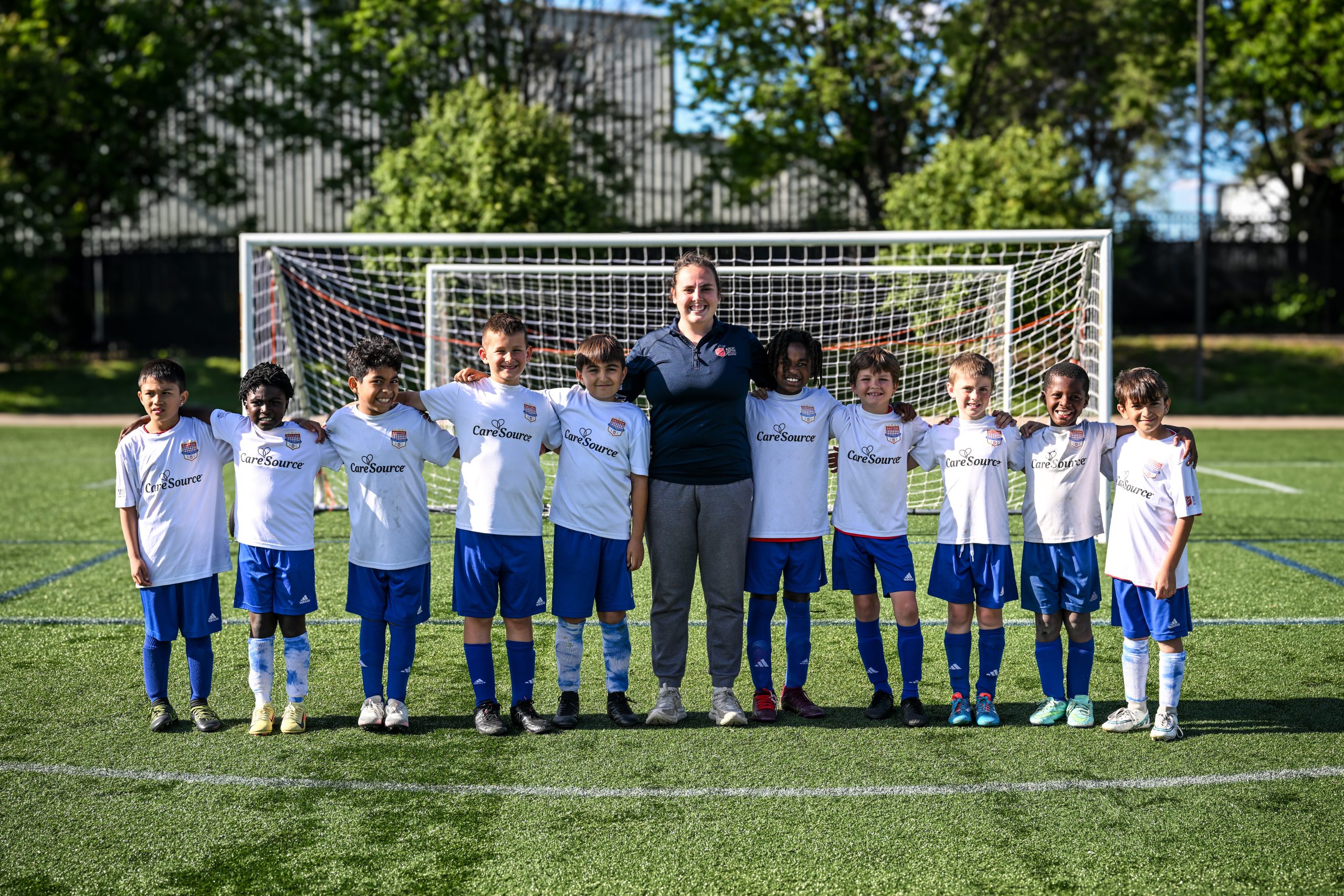
Coach and soccer specialist Sierra Peacock with the Dayton Kroc Soccer Club Boys 2017. (Photo/Anytime Pictures)
In Dayton, Ohio, the Salvation Army Kroc Center offers a chance for the local community to play amid a “soccer desert,” a place where financial hardships or lack of facilities may limit opportunities to engage in the sport. In Newark, New Jersey, where soccer has long been popular, the Newark Ironbound Corps is nurturing young players and exposing them to competition far from home. At the same time, branches of The Salvation Army such as its World Service Office and Emergency Disaster Services are making their own connections with soccer through new fields and with this year’s FIFA World Cup.
Team building
Despite trying every sport available to her, Sara Ribeiro says soccer was the only one she truly connected with.
“I’ve been playing it since I was 4,” she says. “And I’m Portuguese. Soccer is in my culture and in the culture of everyone who lives in Newark.”
Ribeiro is a coach at Ironbound Soccer Club, The Salvation Army’s soccer program based out of the Newark Ironbound Corps. It’s one of the country’s largest, most successful children’s soccer clubs. Players from Ironbound have gone on to play soccer in college and even professionally. Some, like Ribeiro herself, come back to teach the next generation of players.
“Having the Salvation Army name attached to our teams brings people out from the community. The Army has connections all over Newark, and it helps Ironbound continue to grow,” says Ribeiro.
Earlier this year, Ribeiro’s team, U11 Ironbound SC Girls, was one of three Ironbound teams to travel to Portugal to compete in a tournament hosted by IberCup, a worldwide youth soccer organization that connects players to professional soccer clubs. The Ironbound girls’ team played against youth players from renowned Portuguese clubs Benfica and Braga as well as Italy’s Juventus FC.
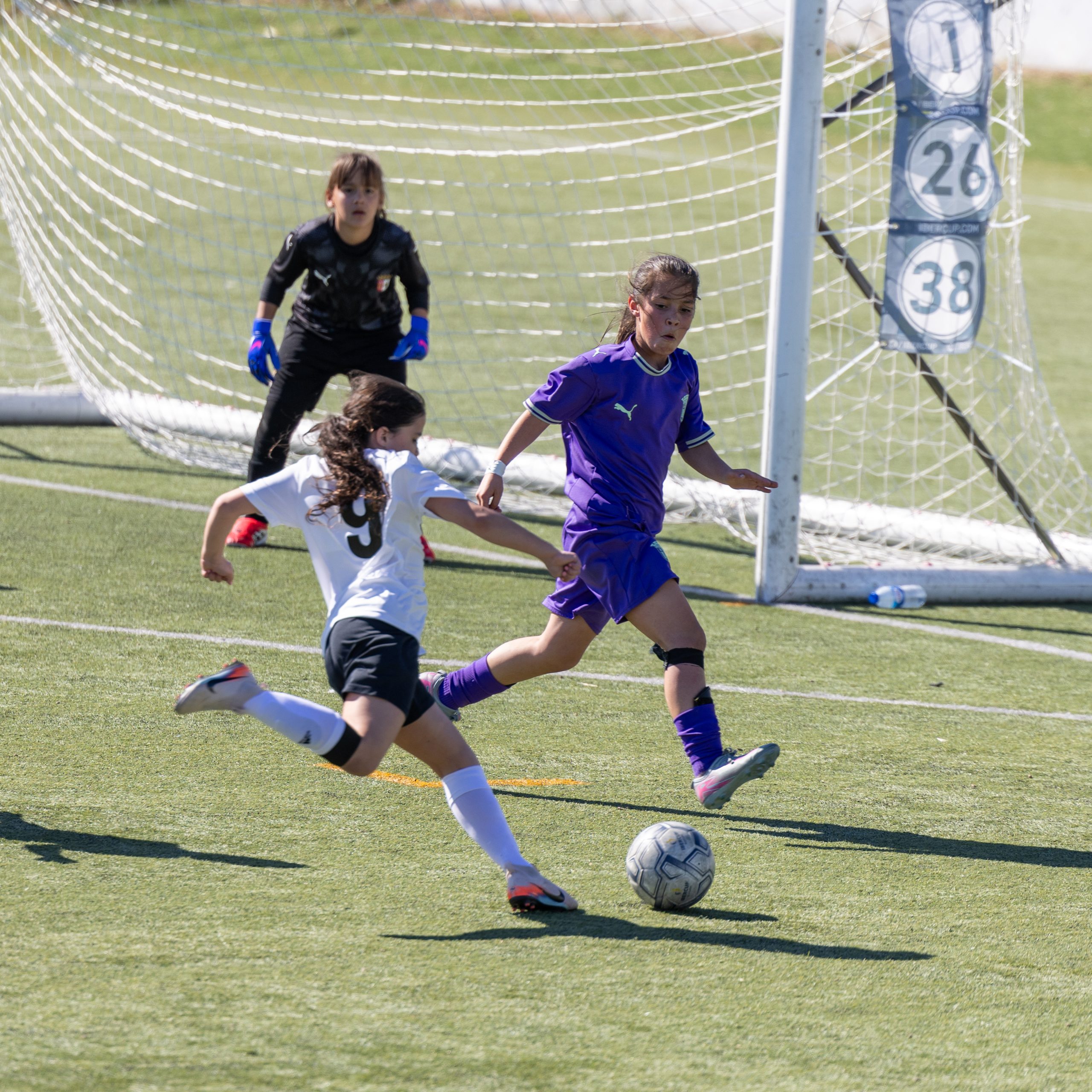
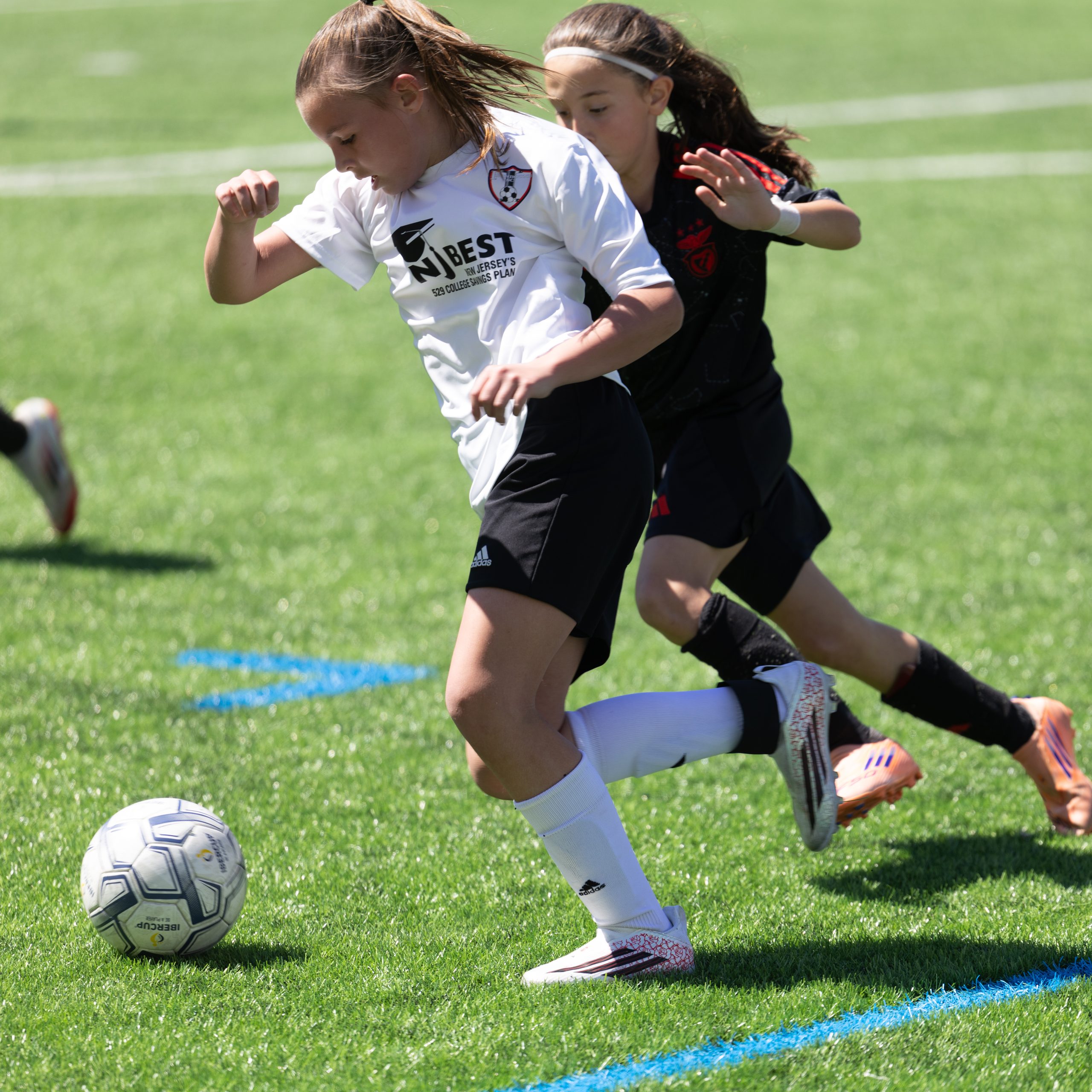
U11 Ironbound SC Girls competed in a tournament in Portugal hosted by IberCup. The Ironbound Soccer Club, based in Newark, New Jersey, is powered by the mission of The Salvation Army. (Photo/Captain Darell Houseton)
“We went to compete, but we also had an itinerary prepared for them,” says Ribeiro. “From morning to night, these girls were spending time together, building friendship and becoming like a family.”
U11 Ironbound SC players Liliana Lavrador and Sofia Ferreira had visited Portugal in the past. But traveling with their team to play against clubs that they root for was a new experience.
“Everything felt very international,” says Lavrador. “The challenges, the names, even the rules of how they played. It was exciting to know that it was going to be us playing against them.”
“The Portuguese players play a faster game. The ball never stops moving, and their offsides rules are different than ours,” says Ferreira.
Their teammate, Eliana Bickford, says, “The setup where they held their matches was really nice too.”
“And everyone there is so happy,” says Winter Houseton. “They’re friendly and they smile. It’s different than in the United States, where people can be cranky or looking down at their phones all the time.”
“We all connect better as a team now,” says Valentina Stefanowki. “I think we all know each other’s way of playing more. The trip was very special for us.”
All the girls agreed that they would jump at the opportunity to return to Portugal.
“I’ve traveled to Portugal as a player, and now as a coach,” says Ribeiro. “Not every kid can say they’ve played against the team they follow. These are memories that will last a lifetime, and bonds between players that go far beyond teams. As a coach, these girls make my job easy, because they bring their competitiveness and their love of soccer to everything we do. They want to be here, they want to win, but they also want to have fun doing it.”
A field of community dreams
Sierra Peacock played soccer while attending a Christian university in Findlay, Ohio. But during her final year of studies, COVID-19 forced all school sports programs to shut down.
“There had never been a time in my life where soccer wasn’t a part of it,” says Peacock. “After I graduated, I thought about going back to my old soccer clubs, but I wanted to focus on my love for the game.”
“At that same time, the Salvation Army Dayton Kroc Soccer Club was growing fast,” says Erin May, fitness and recreation manager at the Dayton Kroc. “We needed a dedicated soccer mind that knew the sport. Sierra was that person.”
Peacock, now the program specialist for the Dayton Kroc Soccer Club, is looking forward to the club’s 2026–27 season. It will host 11 teams, the most ever in the program.
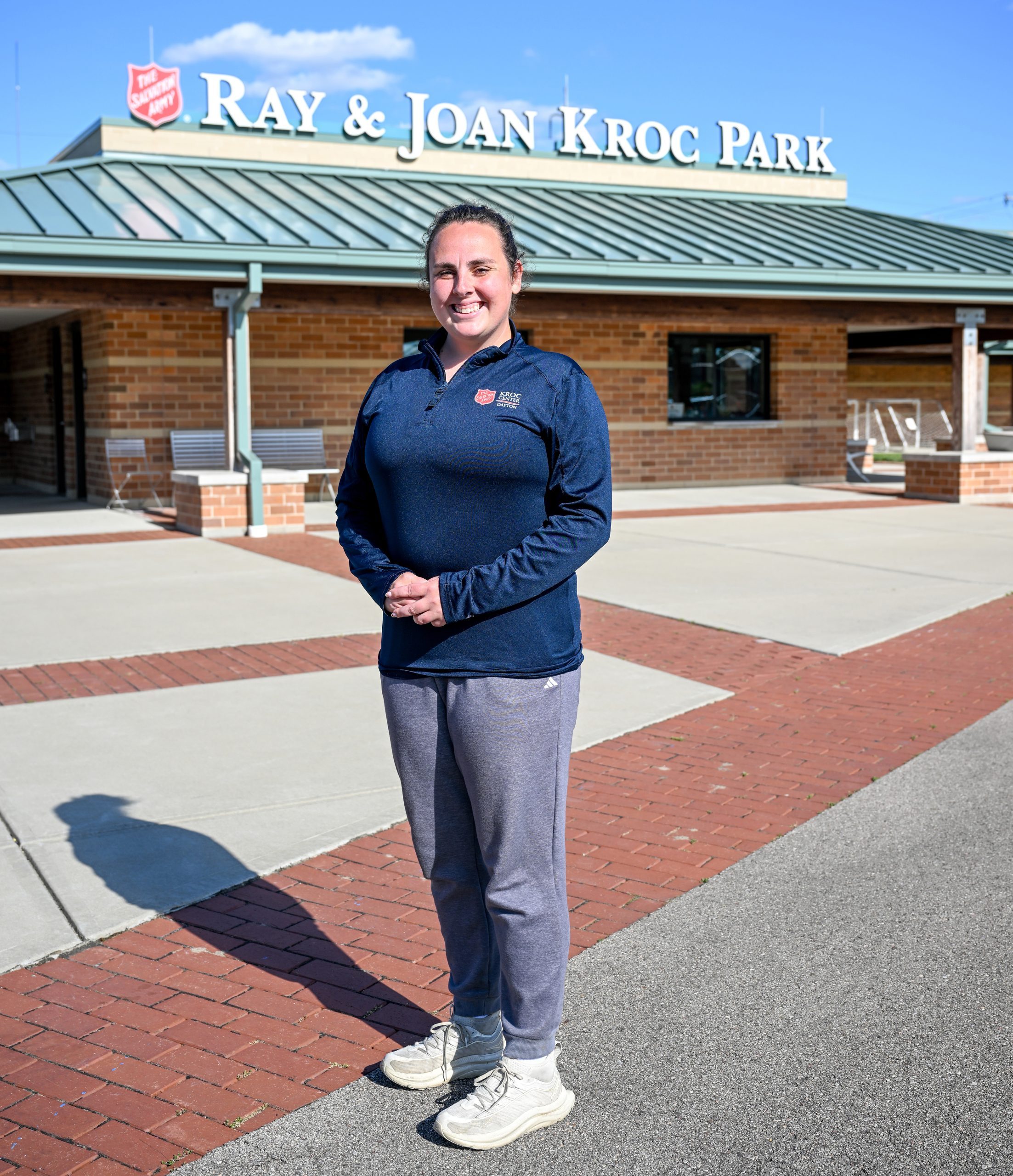
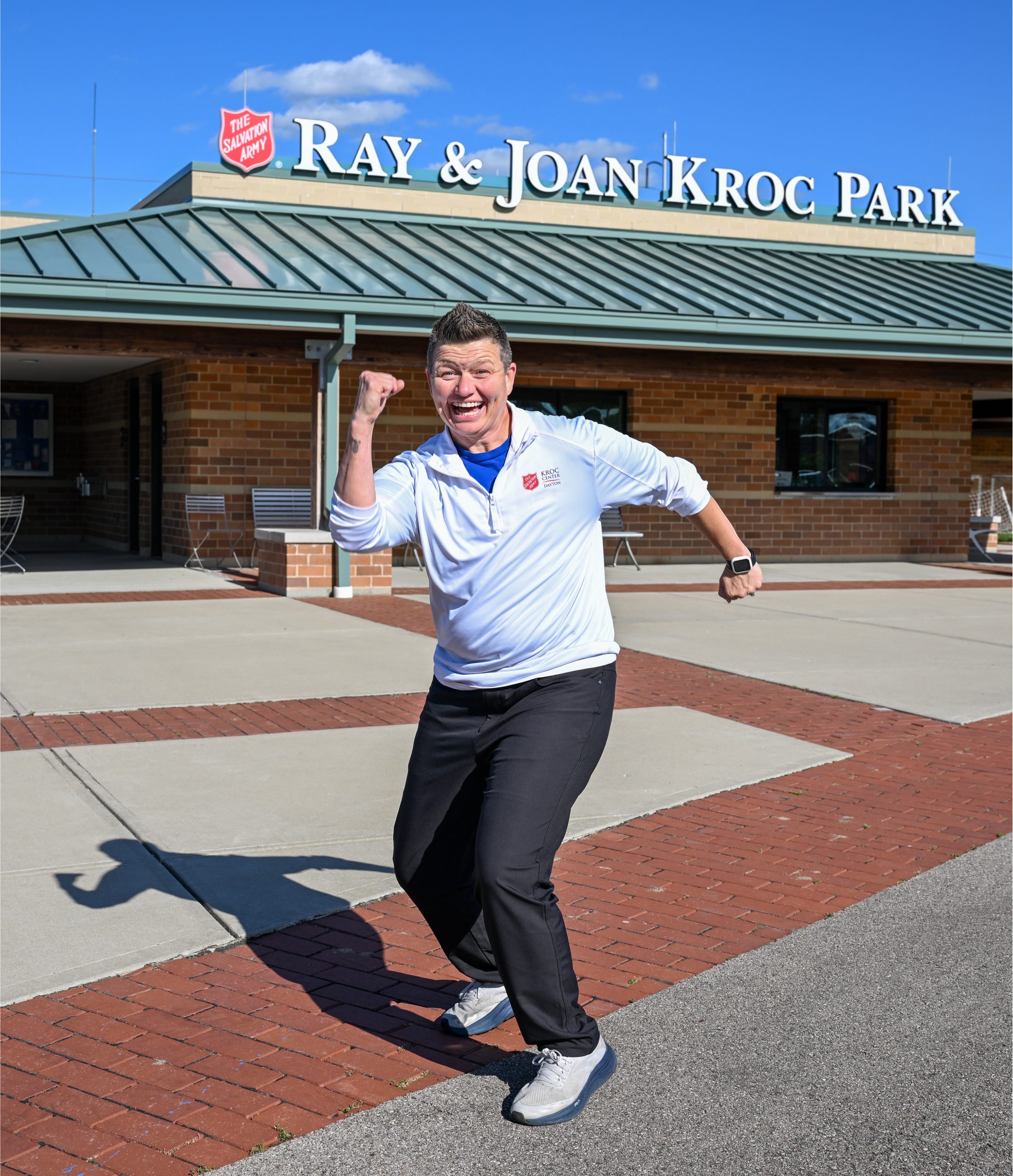
Sierra Peacock, soccer program specialist, and Erin May, the Dayton Kroc’s fitness and recreation manager, have helped the Dayton Kroc Soccer Club grow in the community. “The culture of our club is different than all the clubs in the area,” says May. “That’s because we live the mission of The Salvation Army every day on our field and through our staff, our coaches, and our actions.” (Photos/Anytime Pictures)
“My goal is to have high school age players at Dayton,” says Peacock, who visits schools to talk about the Kroc and its soccer program. “High school teams in the area tend to not be as competitive as clubs. Even college recruiters scout players from local clubs. A lot of these teens can’t afford to play in a club or don’t have transportation to one in another city. But at the Kroc, they have an affordable, nearby club that will prepare them to face elite competition.”
The Dayton Kroc is also home to Kroc Park, a state-of-the-art field with stadium seating, outdoor pickleball courts, a paved walking path, and a soccer field with the Salvation Army shield painted at midfield.
“I’d say that we have the best soccer field in Dayton, and even one of the best in Ohio,” says Peacock.
“When a local team qualifies for the Ohio Soccer State League, they are allowed to make their own playing schedule and choose locations,” says May. “So I talk to coaches of other teams that need a field to play in. All it takes is one look at our field, and they want to play at The Salvation Army.”
Playing at the Dayton Kroc cuts down on transportation costs and fees for the teams and players’ families. Kroc Park also features a turf field that remains playable after rain, unlike grass fields, which often become too muddy to use after a storm.
“Even local children come out to play on the field, and that’s fantastic,” says Peacock. “That means that they see it as part of their community, and something that’s for them. If it brings players to soccer or to any of the Kroc’s programs, that’s a blessing for us.”
“Having the field next to the Dayton Kroc means that the officers can support and engage the families of our players by telling them about our services and by showing how much we love and value their children,” says May, who has two children in the soccer program herself. “The culture of our club is different than all the clubs in the area. That’s because we live the mission of The Salvation Army every day on our field and through our staff, our coaches, and our actions.”
Overseas goals
As Dayton has shown, having your own soccer field can go a long way in helping a corps thrive. But from building to maintenance, a soccer field is a luxury that most Salvation Army churches, especially those in poorer countries, cannot afford.
That is why The Salvation Army World Service Office (SAWSO) has helped bring soccer fields to villages in countries like Ecuador, Argentina, Indonesia, Costa Rica, and Peru. SAWSO works with Salvation Army locations around the world on projects to improve the economic and spiritual conditions of communities.

The Salvation Army World Service Office (SAWSO) has helped communities by bringing soccer fields to countries such as Ecuador, Costa Rica, and Peru.
(Photo/ Salvation Army World Service Office)
“The best SAWSO programs become self-sustainable social ministries,” says Damon Winters, director of International Business and Economic Development, a department within SAWSO. “We aren’t necessarily going in thinking that the work we do is going to create activities or programs. We want to see social enterprise that can go back into the community. But the cool thing about soccer is that it can blend those two ideas together.”
To make sure that a project such as a soccer field will thrive, SAWSO engages the community in three ways. The first is speaking with the people who live there, making sure that they will be helped by this project and want to be helped by agreeing to do their part in maintaining it. The community can’t just want what the Army is offering to build for them; they must also be willing to go forward with ownership of it once it is complete.
The second is to make sure that the project can sustain itself financially without affecting the community negatively. If a project costs a certain amount of money to maintain, and that amount is beyond its own income-making capabilities, then it takes away money from the people it was meant to help.
“That’s the opposite of what we are trying to do,” says Winters. “So, we look at the costs, and if there are competitors. If someone is going to open their own soccer field nearby because ours is doing well, that’s going to hurt us. And it has happened before.”
Finally, they take a close look at the logistics: Can they build a field in this land and environment? Do they have the contractors? Would they need a net so soccer balls don’t fly out, and shade to protect people from the sun? How about lights, so it can be used for evening events?
“That’s why SAWSO takes its research very seriously,” says Winters. “If we spend $60,000 on a project that goes belly up in the first month, we’ve lost money that could’ve gone to feed a lot of hungry people through a lot of Salvation Army ministries. I feel that loss inside my own stomach.”
Fortunately, SAWSO’s fields are thriving, with one of its most successful projects located in Guayaquil, Ecuador.
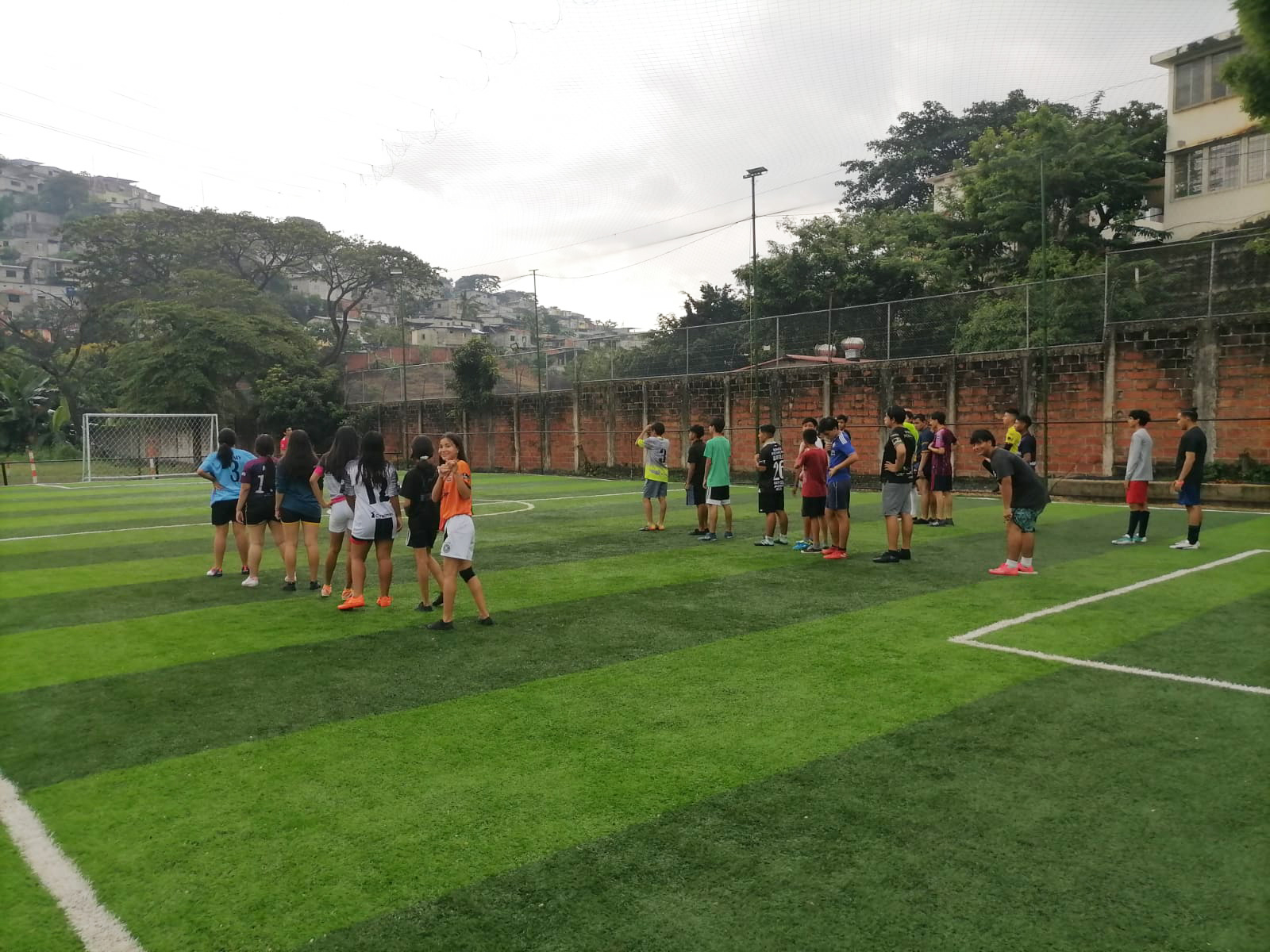
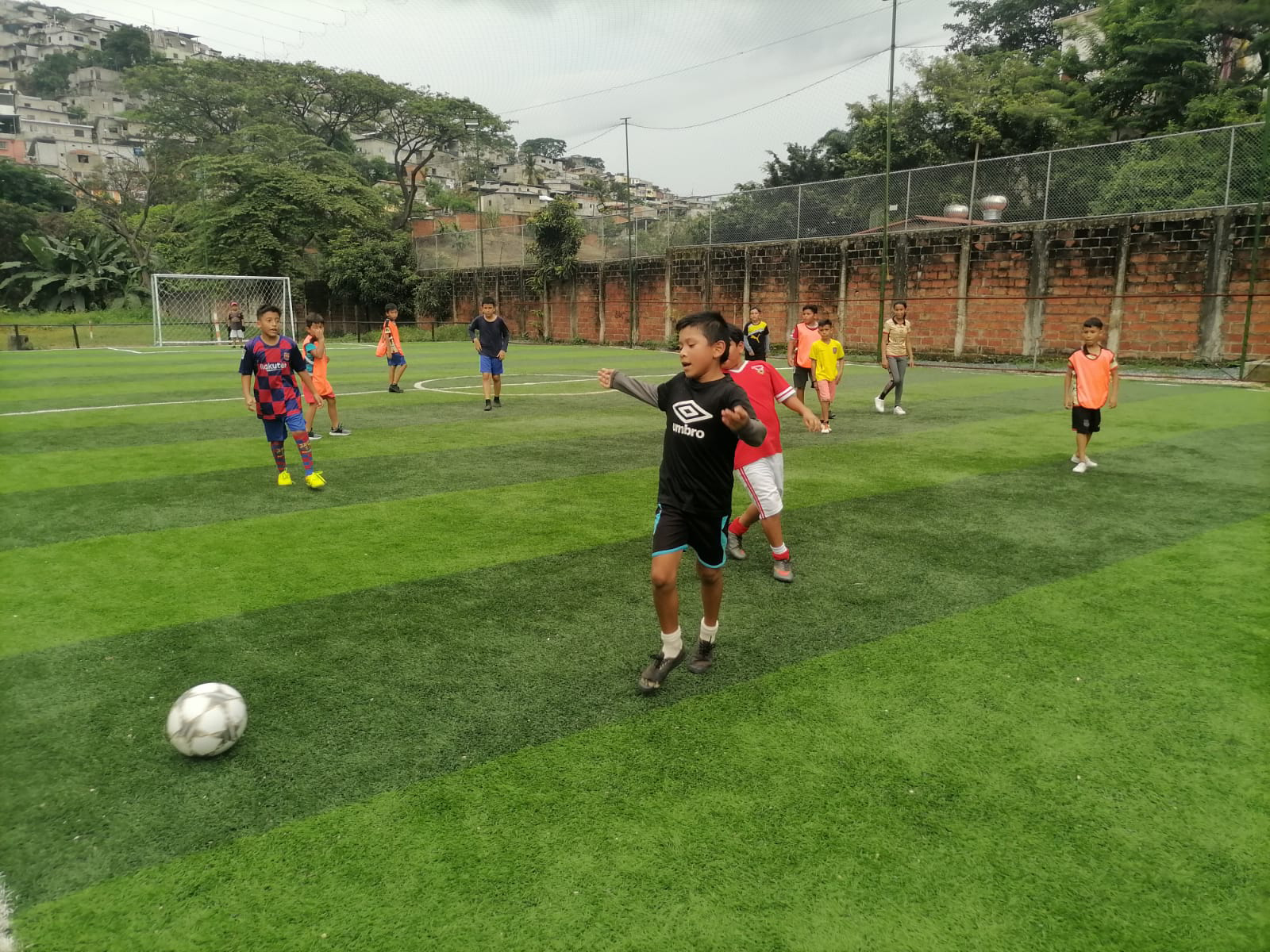
Soccer fields like this one built by The Salvation Army World Service Office (SAWSO) in Guayaquil, Ecuador, support corps ministries and programs as well as social enterprise. Money earned by renting out the field pays for maintenance and grain that is used to make bread, which is distributed in the community.
(Photos/ Salvation Army World Service Office)
“Guayaquil is a perfect trifecta of our work,” says Winters. “The soccer field is a community space during the day for corps programs and ministries. It gets rented at night by groups of friends to play games. The money it makes from that pays for maintenance, with enough left over to buy grain locally. The Salvation Army then uses that grain to make bread that is given out as part of their community service programs.”
In Palu, Indonesia, a city with a significant Salvation Army presence, a soccer field built by SAWSO is used by a school of over 700 students for daily athletics. When classes are over and students have gone home, local adults take the field wearing their favorite jerseys and play pickup matches, even on hot, humid nights.

Communities are being formed and strengthened through SAWSO’s soccer fields, like this one in Peru. (Photo/Salvation Army World Service Office)
Winters says that in Palu and Guayaquil, the impact goes beyond just community use of the field. “Communities are being formed because of the field itself. Those are people who would not come to or know anything about The Salvation Army. But on a soccer field, you can challenge them to a game of fútbol. From that, they can interact with the local officers, learn about the mission, and experience the love of Jesus.”
Emergency plays
This summer, New Jersey, Massachusetts, and Pennsylvania will host a total of 21 out of the 104 North America World Cup matches, with the championship game played in East Rutherford, New Jersey. New York will also have official fan engagement events in all five boroughs, with live match broadcasts, concerts, and more. In each of those states, The Salvation Army Emergency Disaster Services (EDS) has been in contact with local police, stadium officials, and FIFA to see where its services are required for this once-in-a-generation worldwide event.
“The Army is waiting on orders to provide support or presence,” says Seth R. Ditmer, EDS director of The Salvation Army New Jersey Division. “All the host sites have designated spaces for people to safely congregate if a sudden evacuation is needed. EDS provides hydration and feeding at those locations.”
Philadelphia and Boston EDS have experience in these types of events, says Ditmer, pointing out that similar setups have been ready at the parade after the Philadelphia Eagles’ 2024 Super Bowl victory, and in Boston for its annual marathon and Patriots weekend commemorating the anniversary of the American Revolution.
“But New Jersey has not had any complex events like those in a while,” says Ditmer. “Also, the World Cup isn’t something that occurs over a day or a weekend. It’s a 40-day affair including friendly warm-ups, tournament matches, fan engagement events, concerts, and watch parties, all with unique planning considerations.”
A typical EDS response to a fire or flood may leave a few hundred people displaced and in need of food or water. In the event of a major evacuation at a World Cup matchup, tens of thousands of fans and World Cup staff might be involved. Many of them might not be familiar with the area or even speak English.
“We are ready to help the World Cup in any way we can on this international stage,” says Ditmer. “This is an event where we can truly highlight the Army’s strength of being globally engaged but locally focused.”
Serving through soccer
“Globally engaged but locally focused” could describe both The Salvation Army and soccer itself. Fútbol’s reach, like the Army’s, is worldwide. But the sport’s true impact, like that of the Army’s mission, is best seen up close in local communities. These examples from Ohio, New Jersey, and Guayaquil show that a welcoming gesture to play a game of soccer can carry the same warmth as a prayer or a shared hot meal. The Salvation Army, which began its mission outdoors, has created ministries in the most unexpected places and locations. Its soccer ministries have shown that “Heart to God, hand to man” sometimes doesn’t even require the use of hands.
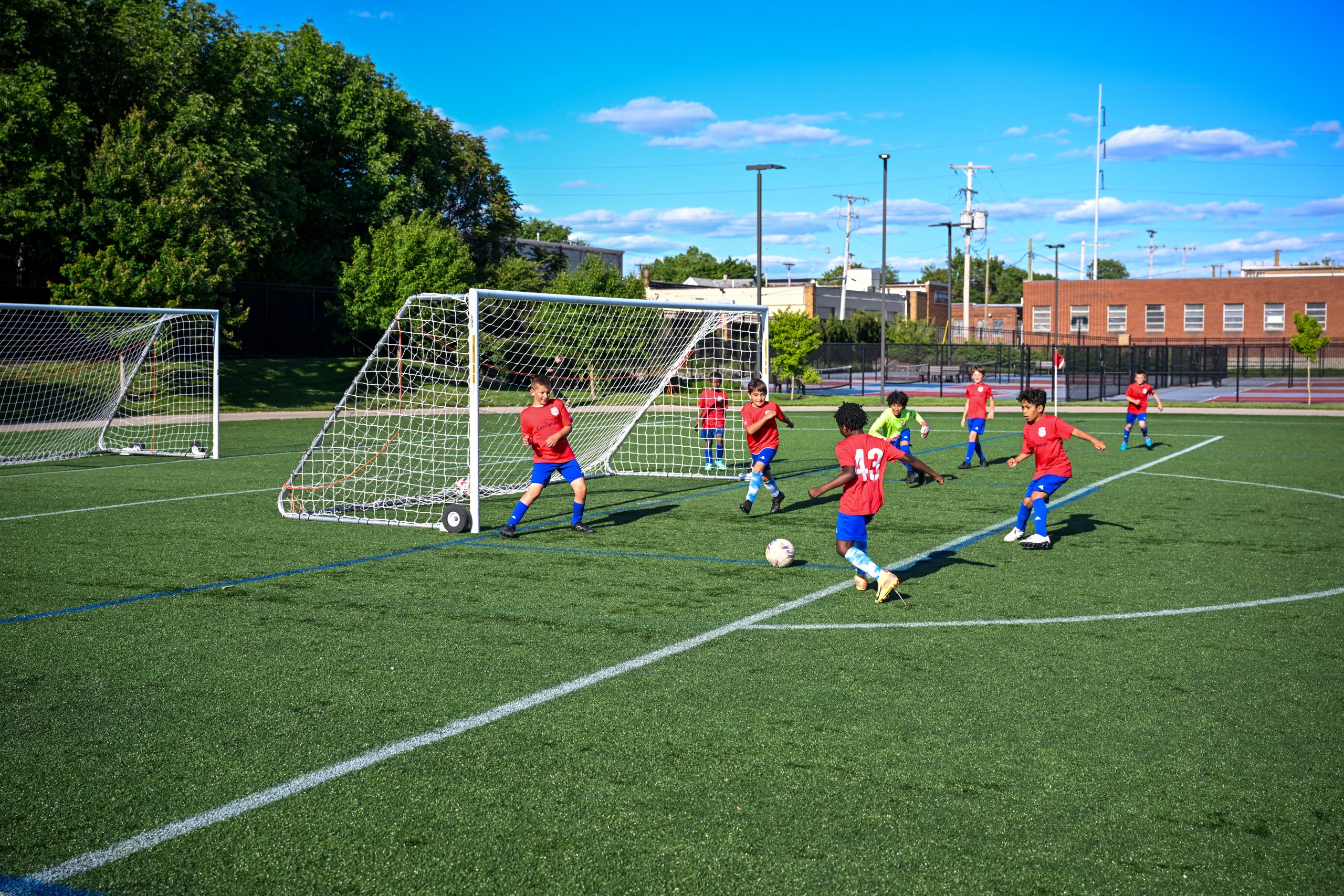
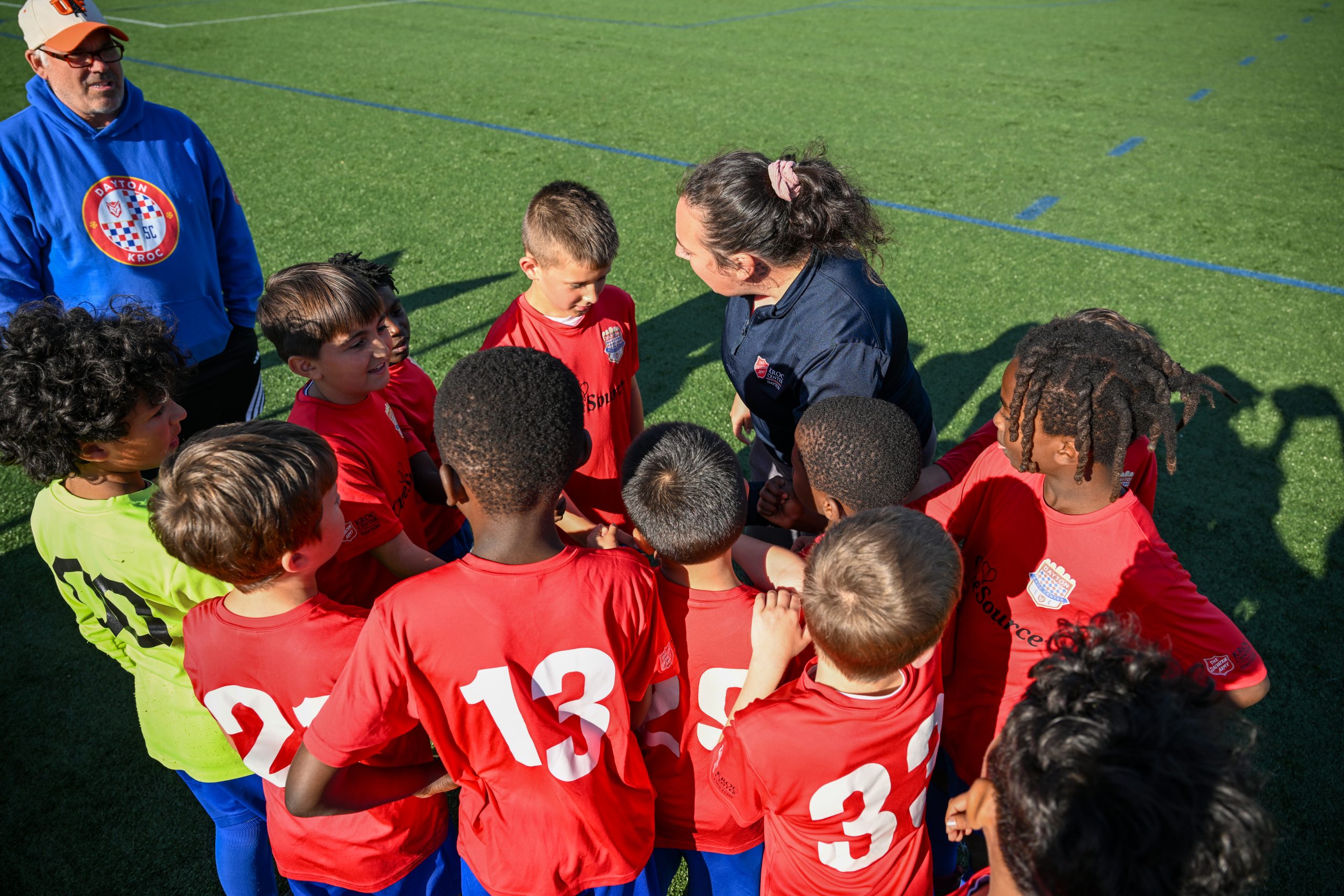
The Salvation Army Eastern Territory’s soccer programs live the Army’s mission on the field and through their coaches and staff. (Photos/Anytime Pictures)
About the Author: Hugo Bravo