The Life of a Salvation Army Soldier
by Warren L. Maye

(Photo/Freepik)
For many Salvationists, service is framed not only by uniform and rank but by what we call a Soldier’s Covenant.
Imagine: The journal sits on your nightstand, its pages worn from countless mornings of honest self-examination. Before you check your phone or gulp that first cup of coffee, you open it and write these eight words: “Who does God want me to be today?”
For a Salvation Army soldier, self-examination isn’t a feel-good exercise—it’s operational doctrine. It sets a moral compass for the day, pointing toward integrity in tough conversations, compassion in busy schedules, and courage when circumstances are uncertain. You’ll hear soldiers say “by God’s grace” as naturally as they salute. It’s their way of acknowledging that the strength to serve isn’t self-generated but a gift from God that they lean on through every challenge.
“We’re entering a covenant—a living, breathing commitment that we renew every single day,” explains Dr. Bryan Cook, director of the Corps Leadership Development Bureau for the USA Eastern Territory, who is a Doctor of Philosophy in Leadership. This covenant isn’t merely an oath. It’s a promise tethered to holy service. “We lean on ‘God’s grace’ because, let’s face it, none of us can do this alone.”
An old tradition, renewed daily
Let’s step back for a moment. When most people think of The Salvation Army—bright red kettles, bells ringing at Christmastime, brass bands in uniform—they’re seeing the pageantry. But for soldiers, the center of gravity lies in a Soldier’s Covenant that binds holiness and mission. It’s a two-way street: on one side, the formation of Christlike character; on the other, an ethic of selfless service to neighbors and communities.
The practice of the Soldier’s Covenant traces its roots to John Wesley’s Methodist Covenant Renewal Service, in which believers recommit themselves to God’s will the first Sunday of every year. Today’s Salvation Army soldiers carry that heritage not as a dusty tradition but as a marching order.
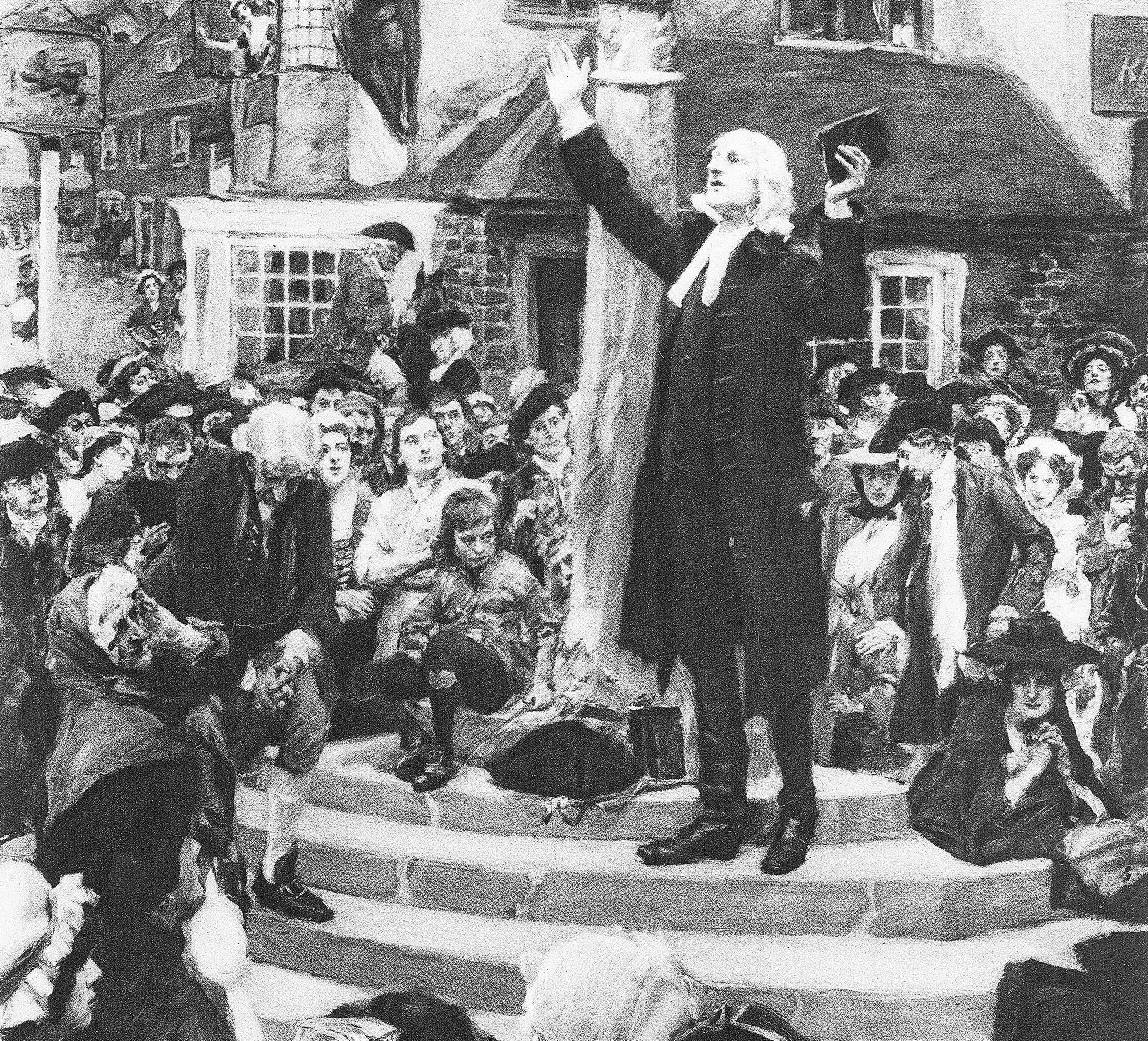
John Wesley preaches in the open air. The founder of Methodism held the first Covenant Renewal Service, to help Christian believers renew their covenant with God, in London in 1755. (Illustration/Alamy)
“Every time they raise their right hand to take the oath, they’re not signing up for a job. They’re entering a binding covenant with the living God,” Cook says.
The tradition, as soldiers tell it today, reaffirms “who we are and whose we are.”
Morning dedication, evening debrief
So how does this covenant play out in day-to-day life? Cook spends just a few minutes with his morning journal, long enough to explore questions like “How will I show patience with my family today? Kindness to a stranger on the street? Steadfastness when pressure mounts?” Then there are prayers that go something like “God, open my eyes to who you want me to speak to. Open my mind for understanding.”
When night falls, those questions sharpen into an after-action report of the heart: Did I act with integrity during that difficult meeting? Did I serve without expecting anything in return? The purpose is not to experience guilt. It’s about growth, a daily loop of reflection and recommitment.
Service beyond the sanctuary
Consider Soldier D’Andre Dyer in Lexington, Kentucky. On a Friday or Saturday night when friends are out, he chooses rest so he can show up fully prepared for Sunday worship and community outreach. It’s a simple calculus: “Maintain a character befitting a soldier,” he says. Protect the witness of your life in a culture crowded by competing allegiances.
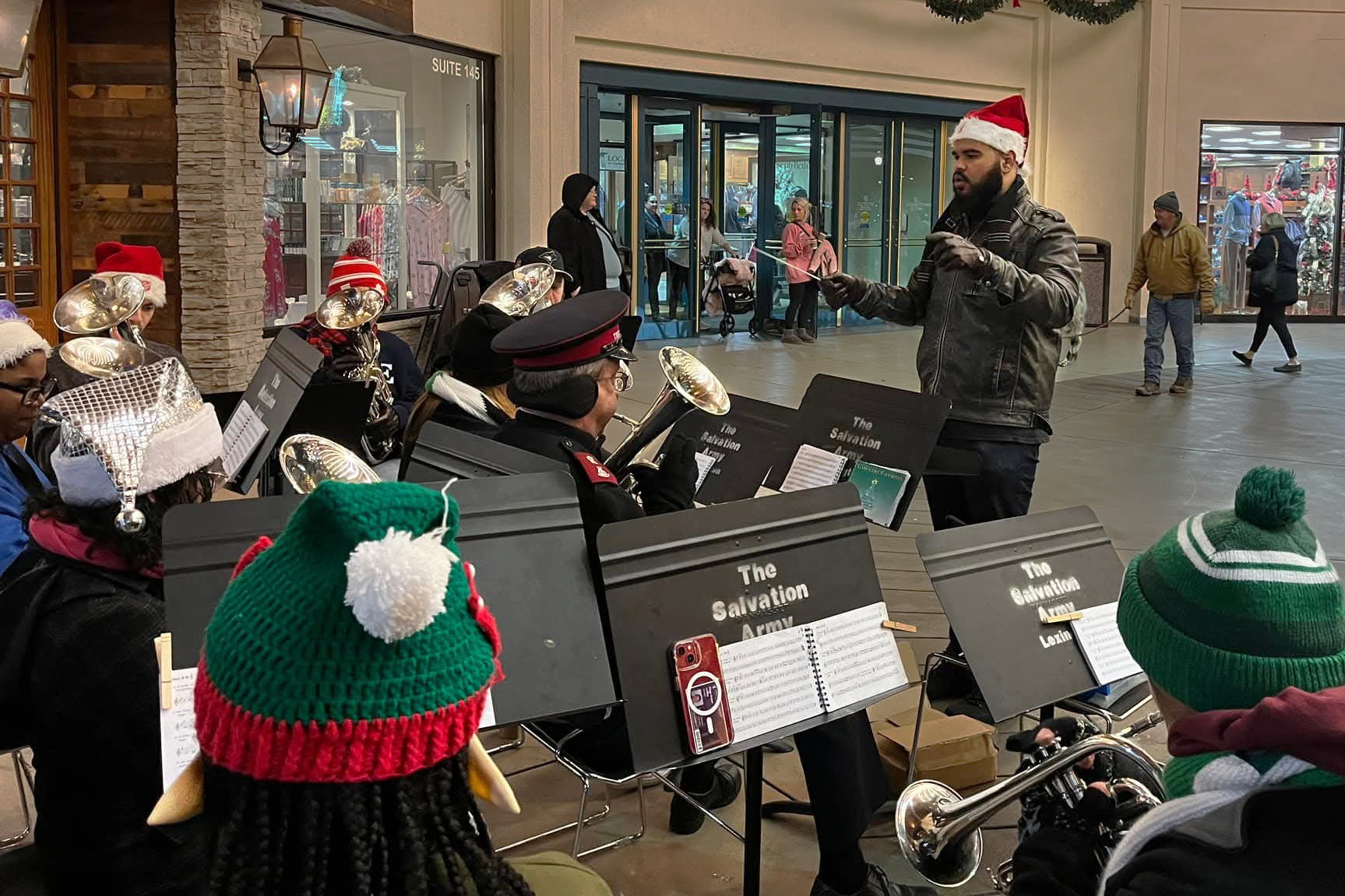
D’Andre Dyer, a bandmaster who serves in music ministry in Lexington, Kentucky, says, “Having a sacrificial heart in the sense that you will selflessly give your time and your efforts to serving the community around you I think is an identifying part of being a soldier.” The day’s rehearsal becomes an act of discipleship. (Photo/Courtesy of D’Andre Dyer)
Dyer’s journey into service started early, with summers spent volunteering at a food pantry in Kingston, New York. “Having a sacrificial heart, selflessly giving your time and effort,” he says, “that’s the heart of soldiership.” He’s quick to remind anyone considering the covenant that it’s not an elective seminar. Participation in corps programs, Bible studies, divisional events is the course requirement of faith lived publicly.
“Seek guidance and offer it,” he advises. “Be discipled and make disciples.”
Being intentional about ministry
Down in Cincinnati, Ohio, Corps Sergeant Major Cindy Walton demonstrates how intentional ministry can be a daily ritual. Every Sunday morning, she stands at the doors of the Center Hill Salvation Army, offering warm handshakes and a genuine smile. For her, each simple act of hospitality isn’t just church protocol. It’s a living witness to who she is and what she stands for. Her mission as a Salvation Army soldier is a commitment she carries with her at home, at work, and in every corner of her life.
Walton wasn’t always a soldier. A few years ago, she was, by her own description, a frazzled mom with a fragmented sense of purpose and barely any relationship with Jesus. But then she discovered Center Hill’s soup kitchens, thrift stores, and after-school programs, and its pastors and their message of redemption. Something in her heart shifted. Within months, she and her family signed the Soldier’s Covenant.
Today, her father is also committed to Christ, her adult children serve alongside her, and her grandchildren toddle down the corps’ aisles. Her faith has ripened into something she describes as “a level I did not even know was possible.”
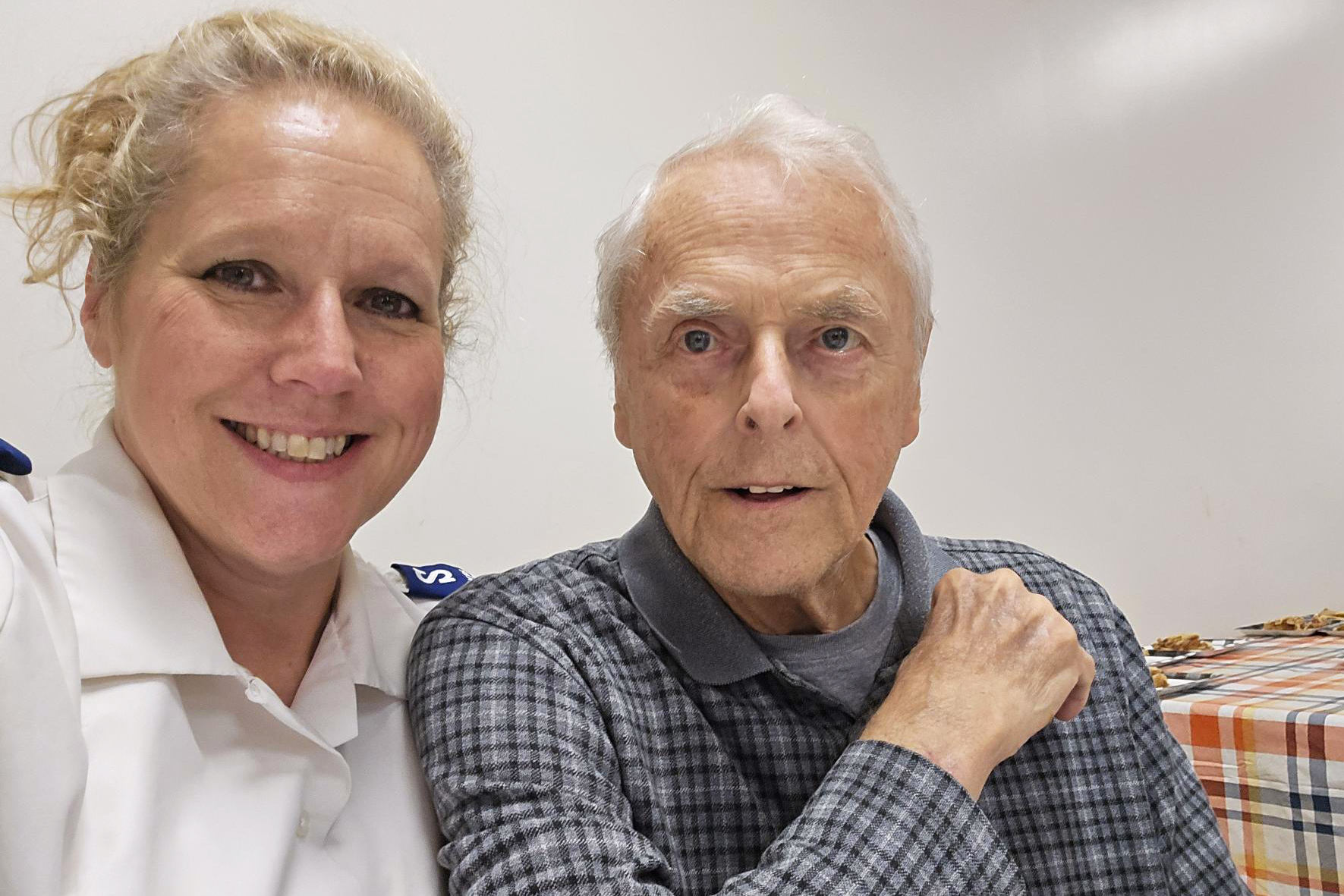
Corps Sergeant Major Cindy Walton with her father, who was led to Christ before he passed away in late December 2025. (Photo/Courtesy of Cindy Walton)
That covenant shapes her behavior far beyond Sunday hymns or seasonal bell-ringing campaigns.
“People often ask what I do,” she says. “I tell them I’m a soldier—and that invites a conversation about faith, service, and hope.”
Her final word to anyone weighing the Soldier’s Covenant? “Pray about it,” she urges. “Take it seriously. We don’t live for this world. We live for Christ and eternity with Him.”
Building a culture of communication
Of course, none of this works if soldiers feel voiceless. Enter the Territorial Soldiers Express Council, or TSEC, a forum where front-line insights can inform the territory’s leadership. In 2020, the first Territorial Sergeant Major Kris Hevenor helped launch this council to invert the typical top-down model. “No idea is off the table,” she said.
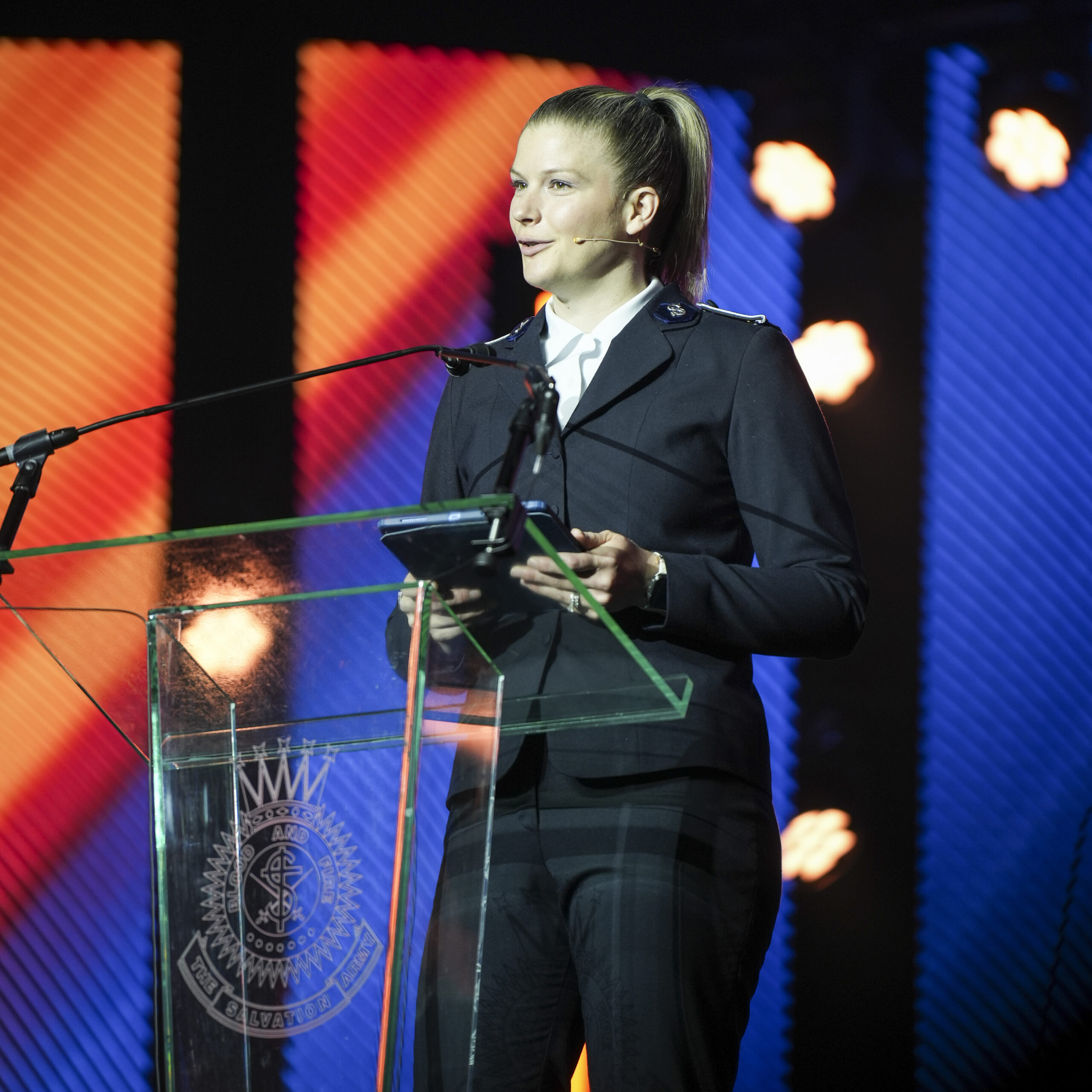
Territorial Soldiers Express Council Chair and Territorial Sergeant Major Heather Green. (Photo/Antonio DeCaterina)
Soldier Heather Green, now Territorial Sergeant Major and TSEC Chair, has watched policies change in response to real-time feedback from 24,550 senior soldiers, 8,289 junior soldiers, and 9,488 adherents in the field. It’s a powerful reminder that a healthy movement listens as much as it leads. She encouraged soldiers interested in the TSEC to connect through the council’s public site.
The pageantry and the pulse
And then there’s the pageantry to remind soldiers of the big picture and inspire them through ceremony, communal worship, and arts ministries. Commissioning weekend features a procession of flags, music from the New York Staff Band, and the intergenerational Star Search showcase. The Silver Star Luncheon recognizes cadets and their families, and reunion dinners honor seasoned officers for years of service. Laughter and tears during these shared moments stitch history and fellowship into the fabric of soldiership.
The Covenant is the hinge
Ultimately, to live the life of a Salvation Army soldier is to hold together elements often torn apart: contemplation and action, personal holiness and public service, tradition and adaptation.
At the end of the day, the covenant is the hinge. Morning petitions meet evening audits; brass fanfare accompanies pantry lines; councils convene to ensure that front-line perspectives inform leadership’s plans.
In the quiet before the kettle bells ring or the band warms up, soldiers return to that same question: “Who does God want me to be today?” Cook says soldiers live each day by God’s grace and for the sake of the people they serve. “It’s a fresh opportunity to live out that promise.”
So, whether you’re a soldier yourself or simply listening in, lean into grace, and ask yourself: How will I live the covenant today? In a world of shifting priorities, the covenant offers a steady anchor. Let service shape your story.
The 2026 Soldier’s Covenant Renewal Resource will be available soon through the Corps Leadership Development Bureau.
About the Author: Warren L. Maye