What Is RSV?
by Hugo Bravo
Learn about symptoms, treatments, and prevention methods.
You may have heard about children and adults seeking treatment for COVID-19 or the flu, only to find out they have respiratory syncytial (sin-SISH-ul) virus, or RSV. Since the pandemic, the public has become more familiar with RSV, but it’s a common virus. Most people contract it in childhood.
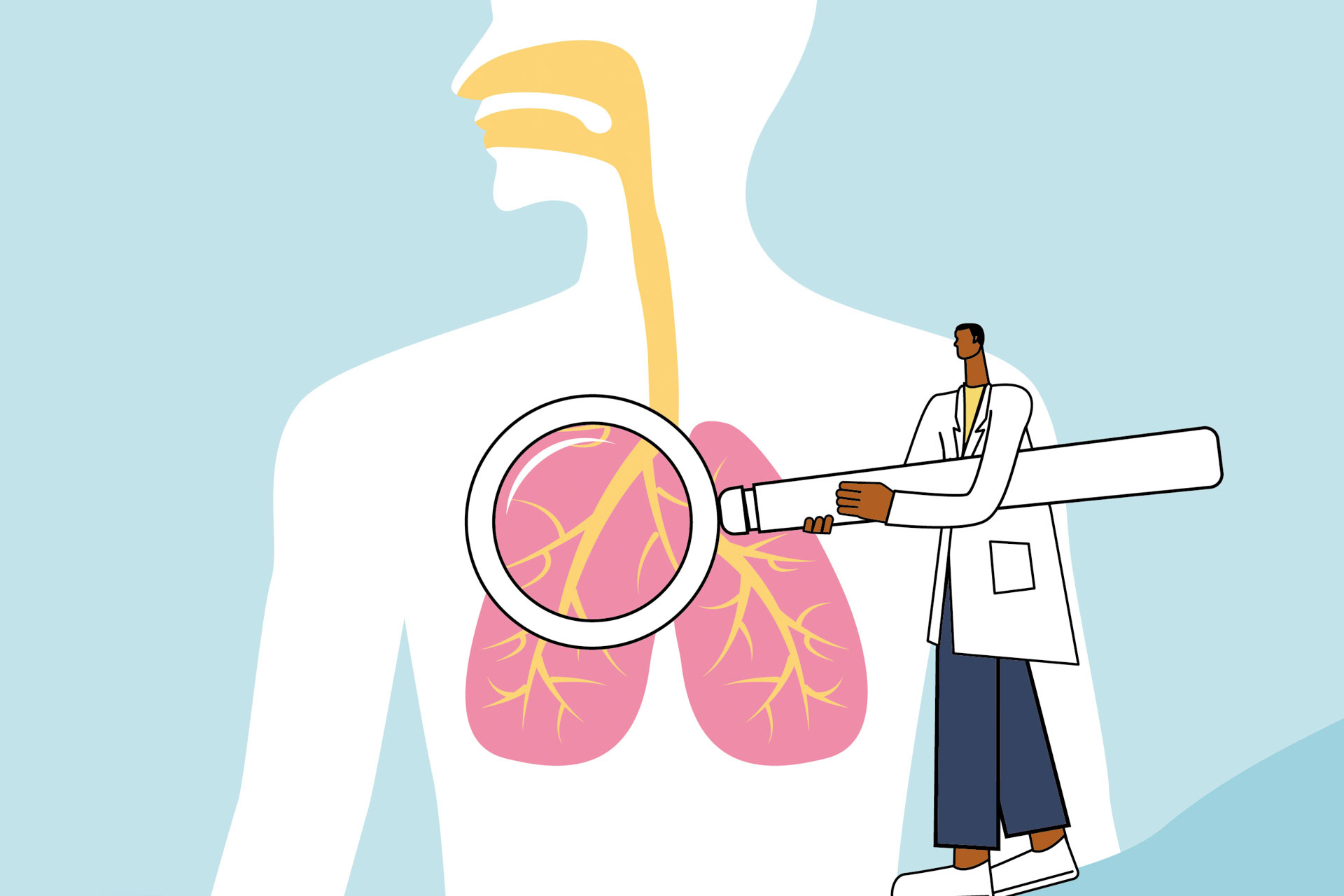
RSV affects the lungs and respiratory tract. For most people, RSV can feel like a cold, with similar symptoms. But for premature infants, adults 60 and over, and people with heart or lung disease or a weak immune system, RSV can be more severe and even life-threatening.
Like other viruses, RSV spreads through tiny droplets in the air from coughing or sneezing, entering the body through our mouth, nose, or eyes. It is also very contagious; the virus can live on hard surfaces, such as desks or cribs, for many hours.
Keeping children safe
RSV is the leading cause of infant hospitalization, with an estimated 58,000 to 80,000 children below age 5 hospitalized due to RSV every year in the United States. Unlike adults, infants will almost always show symptoms of RSV. Along with cold-like symptoms such as a runny nose, sneezing, and coughing, infants might feel irritable, have decreased activity or hunger, and apnea (pauses in breathing for 10 seconds or more).
There are two ways to protect infants from severe RSV: a vaccine during the mother’s third trimester of pregnancy, or an antibody given to the child before they are 8 months old.
Older adults and RSV
About 110,000 to 180,000 adults age 50 and over are hospitalized in the U.S. each year from RSV. Adults with weakened immune systems, with chronic heart or lung disease, or who are living in nursing homes are the most at risk for severe RSV infections. Cases can also develop into pneumonia, or worsen other serious conditions, such as asthma, heart failure, and pulmonary disease.
The CDC recommends an RSV vaccine for adults who are 75 and older, or 50–74 with medical conditions that increase risk.
The tripledemic effect
During the fall and winter of 2022–2023, overlapping waves of the flu, COVID-19, and RSV created a strain on the health care system in many communities. Health officials called this a “tripledemic.” Influenza, COVID-19, and RSV are all viral illnesses affecting the respiratory systems that share some symptoms. Their severity can vary by a person’s age, health history, and vaccine status. Children and adults with RSV can also have lower immunity, which can increase their risk of getting COVID-19, even at the same time.
RSV Prevention
- Wash your hands with soap and water.
- Clean any hard surfaces you touch, including cellphones, tables, and counters.
- Avoid close contact; cover your face when you sneeze or cough.
- Don’t share drinks or utensils like forks and spoons.
- Stay home from work or school if you feel sick.
RSV Treatment
- Take over-the-counter fever reducers and pain relievers.
- Cold medicine can relieve RSV symptoms; consult with a pediatrician before giving it to children.
- Drink fluids to avoid dehydration.
- Use nose drops or a saline nasal spray to help with congestion.
- A humidifier will also ease congestion and reduce coughing.
- If you or a loved one are experiencing serious RSV symptoms, such as difficulty breathing, high fever, or blueish lips or nail beds, seek medical assistance immediately. These are all symptoms of cyanosis, or decreased oxygen levels.
Sources: Aurora Health Care, mayoclinic.org, www.cdc.gov/rsv
About the Author: Hugo Bravo